Affiliate marketing in 2026 is no longer about traffic volume — it’s about data accuracy.
Table of Contents
If you’re still relying on browser-based pixels, cookies, and last-click attribution, chances are you’re already losing conversions without realizing it. Privacy updates, ad blockers, and stricter browser rules have quietly made client-side tracking unreliable.
This is why server-side tracking is no longer optional — it’s mandatory.
In this guide, we’ll explain what server-side tracking is, why it matters in 2026, and how affiliate marketers are adapting to survive and scale.
What Is Server-Side Tracking?
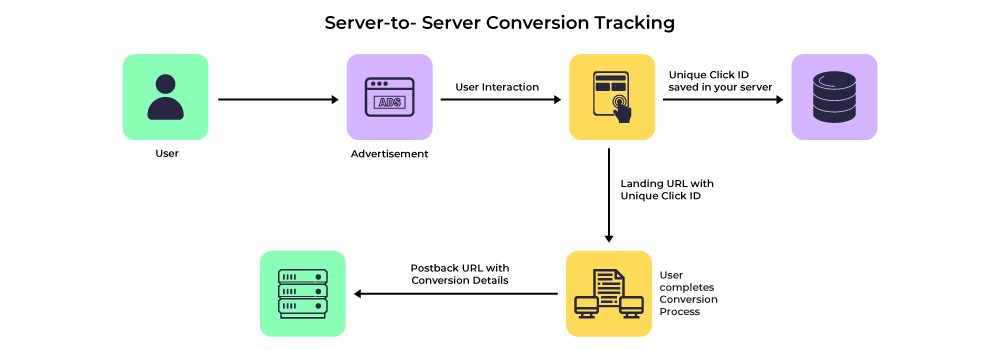
Server-side tracking is a method where conversion data is sent directly from a server to another server, instead of relying on the user’s browser.
In affiliate marketing, this usually means:
- A user clicks your affiliate link
- The affiliate network records the conversion
- A postback URL sends the conversion data to your tracking system
No cookies. No pixels. No browser interference.
Why Client-Side Tracking Is Failing in 2026
1. Cookies Are Dying (For Real This Time)
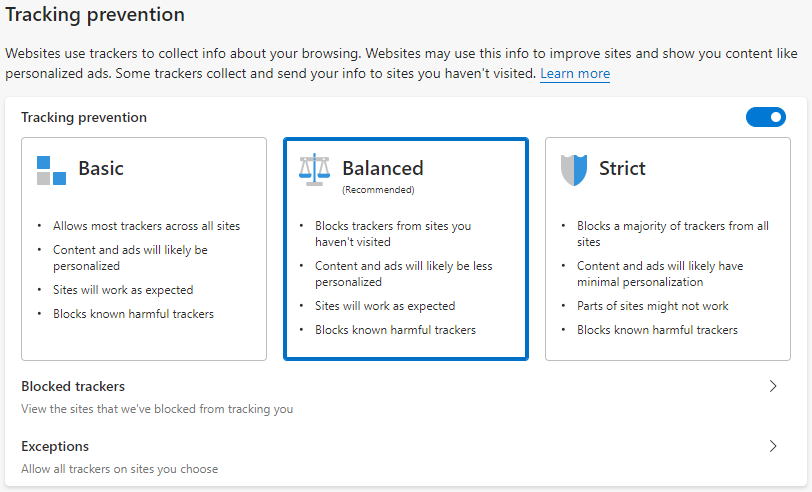
Modern browsers aggressively limit third-party cookies. Even first-party cookies are becoming less reliable across devices and sessions.
2. Ad Blockers Are Smarter
Popular ad blockers now block:
- Facebook pixels
- Google Ads scripts
- Custom JavaScript trackers
Your conversions may fire… or may not.
3. Cross-Device Attribution Is Broken
A user clicks on mobile but converts on desktop?
Client-side tracking usually misses or misattributes that conversion.
Why Server-Side Tracking Wins
✅ Higher Accuracy
Postback tracking doesn’t depend on the browser, making it far more reliable.
✅ Privacy-Friendly
Server-side tracking aligns better with GDPR and privacy-first regulations because it avoids intrusive scripts.
✅ Better Ad Optimization
Platforms like Google Ads and Meta Ads perform better when they receive clean, consistent conversion signals.
✅ Real Revenue Attribution
You track actual sales, not just button clicks or fake events.
Server-Side Tracking vs Google Analytics 4

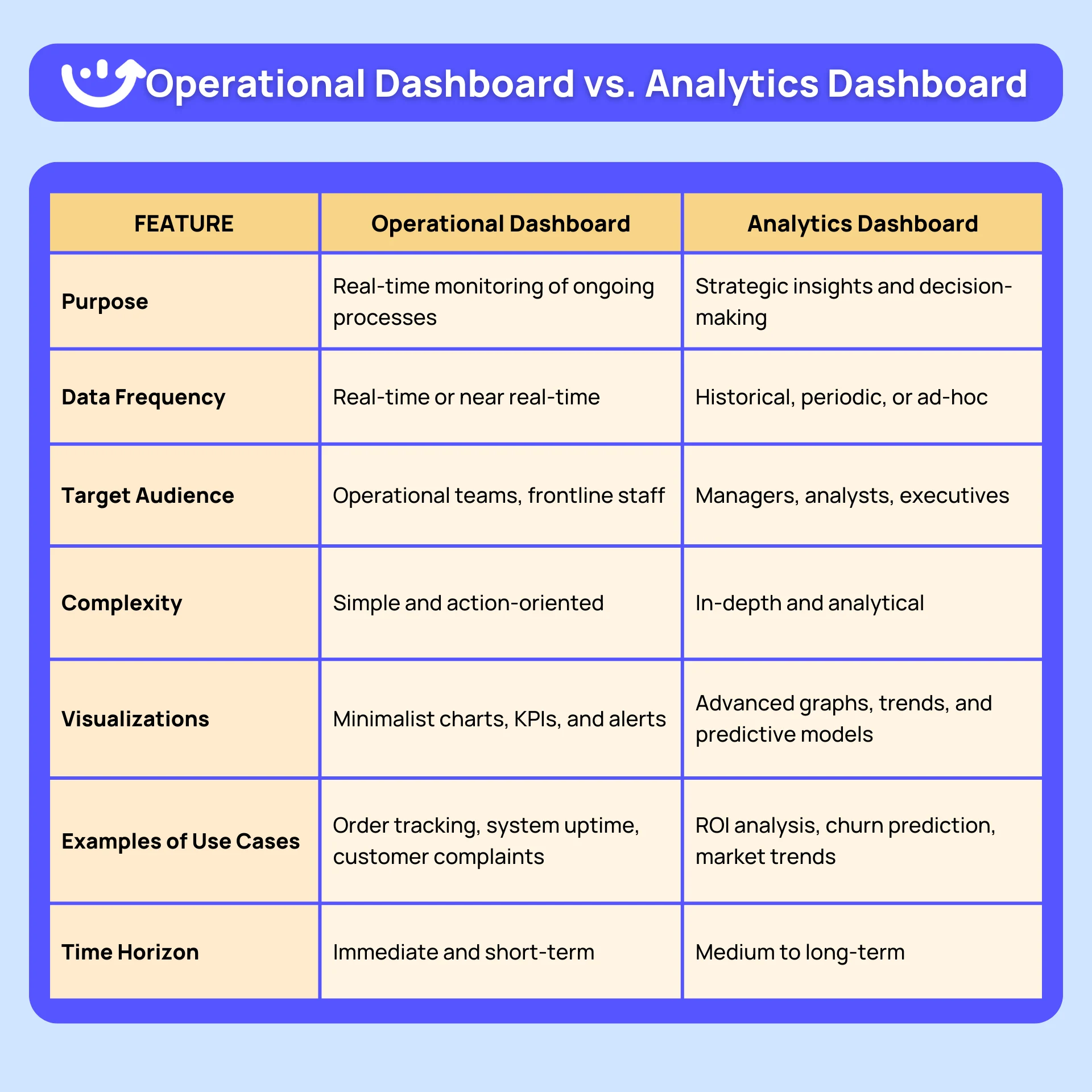
Google Analytics 4 is powerful — but it was never designed as a hardcore affiliate tracker.
GA4 struggles with:
- Affiliate network attribution
- Multi-network revenue tracking
- Postback-based conversions
That’s why many marketers now use GA4 for insights, and a dedicated tracker for truth.
Tools That Enable Server-Side Tracking for Affiliates
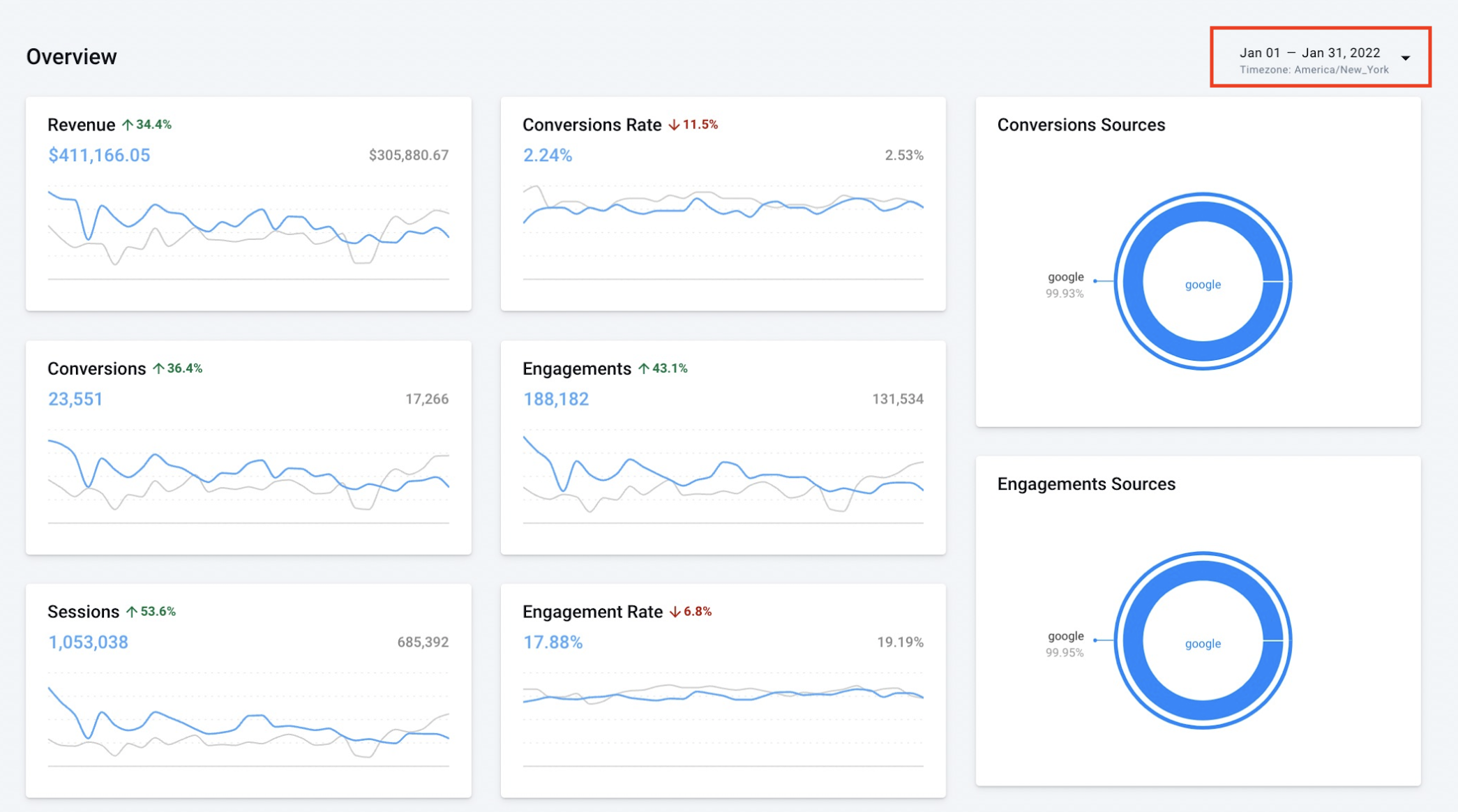

One popular option is AnyTrack, which acts as a bridge between:
- Affiliate networks
- Ad platforms
- Analytics tools
Instead of replacing everything, it connects your existing stack and sends reliable server-side conversion data where it matters.
Other tools in this category include enterprise-grade trackers, but many affiliates prefer simpler setups focused on accuracy over complexity.
Who Needs Server-Side Tracking?
Server-side tracking is essential if you:
- Run paid traffic (Google Ads, Meta, TikTok)
- Promote SaaS or high-ticket affiliate offers
- Care about ROI and scaling
- Want future-proof tracking beyond cookies
If you’re still using only pixels, you’re optimizing ads based on partial data.
Final Verdict: Adapt or Fall Behind
Server-side tracking isn’t a “pro feature” anymore — it’s the baseline for serious affiliate marketers in 2026.
As privacy restrictions tighten and platforms demand better data, marketers who upgrade their tracking infrastructure will:
- Scale faster
- Waste less ad spend
- Make decisions based on real revenue
Those who don’t? They’ll keep guessing.