
Introduction
Google Antigravity is an experimental, next-generation AI development platform introduced by Google to redefine how software is built. Unlike traditional AI coding assistants that merely suggest code, Antigravity is designed around autonomous AI agents capable of planning, executing, testing, and validating development tasks with minimal human intervention.
Table of Contents
By shifting from “AI as a helper” to AI as an active software agent, Google Antigravity represents a major leap toward fully agentic software engineering workflows.
In this article, we’ll explore what Google Antigravity is, how it works, its key features, benefits, risks, and why it could signal the future of AI-driven development.
What Is Google Antigravity?
Google Antigravity is an agent-first AI development environment that allows developers to delegate high-level goals to AI agents instead of writing every line of code manually.
Rather than asking the AI to “write a function,” developers can issue broader instructions such as:
- “Build a login system with email verification”
- “Refactor this project to use a clean architecture”
- “Test this UI flow and report issues”
Antigravity’s AI agents then:
- Break the task into steps
- Modify code files
- Run commands in the terminal
- Interact with browsers or apps
- Produce verifiable outputs called artifacts
This makes Antigravity closer to an autonomous AI engineer than a traditional IDE plugin.
How Google Antigravity Works
At the core of Antigravity is a multi-agent execution loop:
1. Goal Interpretation
The AI interprets the developer’s high-level request and converts it into a structured execution plan.
2. Autonomous Execution
Agents write or modify code, install dependencies, run scripts, and interact with tools like browsers or CLIs.
3. Verification & Artifacts
Instead of just returning text, Antigravity generates artifacts such as:
- Logs
- Screenshots
- Test results
- Execution summaries
These artifacts allow developers to verify what the AI actually did.
4. Human Review & Control
Developers remain in control by approving changes, stopping agents, or refining instructions at any stage.
Key Features of Google Antigravity


Agent-First Architecture
Antigravity is built around autonomous agents rather than prompt-response interactions. Each agent can manage an entire workflow independently.
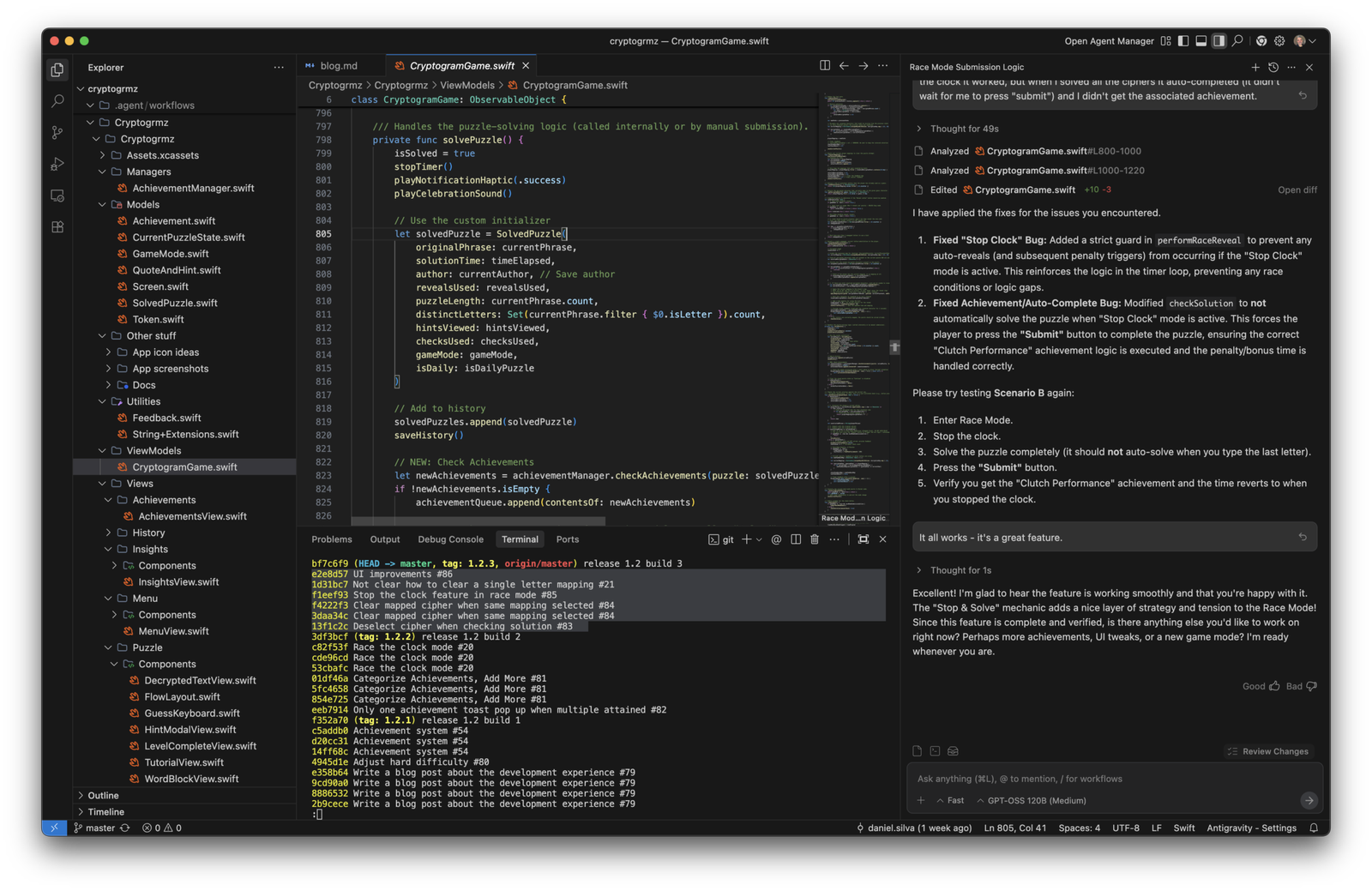
Dual Interface: Editor + Manager
- Editor View – A familiar IDE-style interface for code editing
- Manager View – A dashboard to monitor, pause, or rerun multiple AI agents simultaneously
Multi-Model AI Support
While optimized for Google’s Gemini models, Antigravity is designed to support multiple AI models, enabling flexibility for different use cases.
Artifact-Based Transparency
Every action is documented through artifacts, increasing trust and auditability compared to black-box AI assistants.
Benefits of Google Antigravity

Massive Productivity Gains
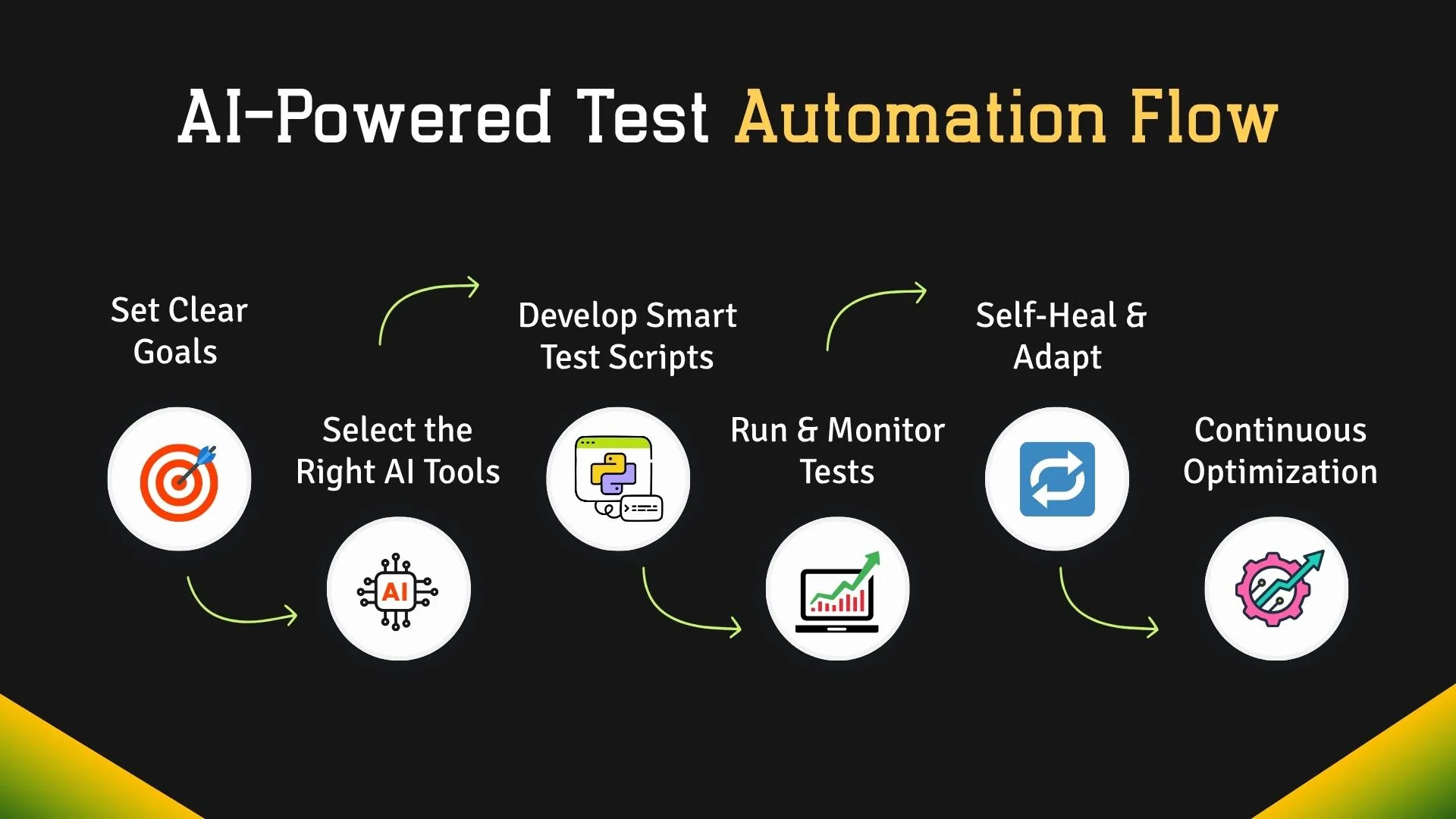
AI agents can handle repetitive and complex workflows such as:
- Project setup
- Dependency management
- Testing & debugging
- UI validation
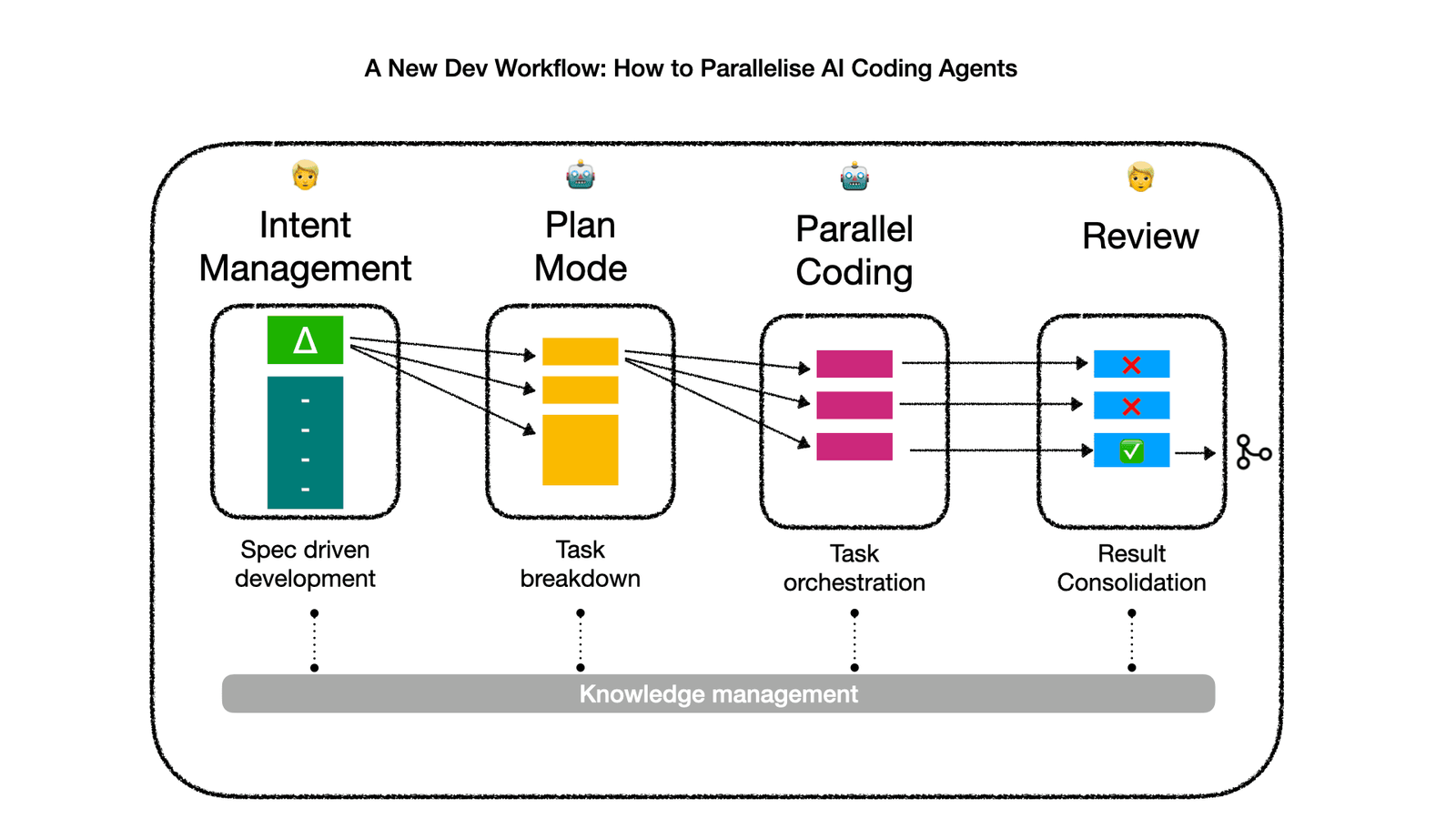
Parallel Development
Multiple agents can work at the same time, enabling faster feature delivery and experimentation.
Reduced Context Switching
Developers no longer need to jump between tools — agents operate across code editors, terminals, and browsers automatically.
Ideal for Complex Systems
Antigravity excels at tasks that require planning, execution, and validation rather than simple code generation.
Risks and Limitations
While powerful, Google Antigravity is not without concerns:
Loss of Fine-Grained Control
Autonomous agents can make broad changes quickly, which may introduce unintended side effects if not carefully reviewed.
Security Considerations
Because agents can access files, terminals, and browsers, strong permission boundaries and monitoring are critical.
Learning Curve
Developers must adapt from prompt-based coding to goal-oriented agent management, which requires a mindset shift.
Google Antigravity vs Traditional AI Coding Tools
| Feature | Traditional AI IDEs | Google Antigravity |
|---|---|---|
| Code Suggestions | Yes | Yes |
| Autonomous Execution | No | Yes |
| Multi-Step Planning | Limited | Advanced |
| Browser & CLI Control | No | Yes |
| Artifact Verification | No | Yes |
Antigravity isn’t just an upgrade — it’s a new category of development platform.
Use Cases for Google Antigravity


- Building MVPs and prototypes quickly
- Automated UI testing and validation
- Large-scale refactoring projects
- DevOps automation and scripting
- Experimenting with AI-driven development workflows
The Future of Agentic Software Development
Google Antigravity offers a glimpse into a future where software is built by human-AI teams, with AI agents handling execution and humans focusing on strategy, architecture, and decision-making.
As agentic AI systems mature, tools like Antigravity could:
- Redefine developer productivity
- Reduce time-to-market dramatically
- Change how engineering teams are structured
Final Thoughts
Google Antigravity is not just another AI coding assistant — it represents a fundamental shift in how software can be designed, built, and tested. By empowering autonomous AI agents to plan and execute real development work, Google is pushing the boundaries of what AI-driven engineering can achieve.
For developers, startups, and tech teams willing to embrace agent-based workflows, Antigravity may well be a preview of the future of software development.
Google Antigravity Reviews: Trusted Sources
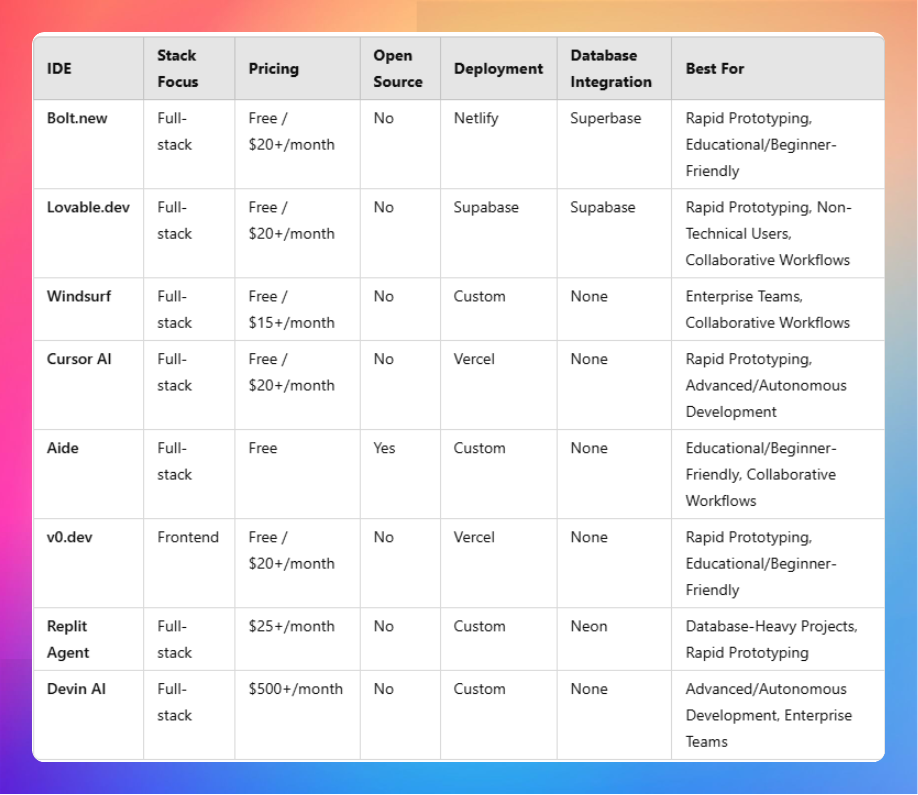

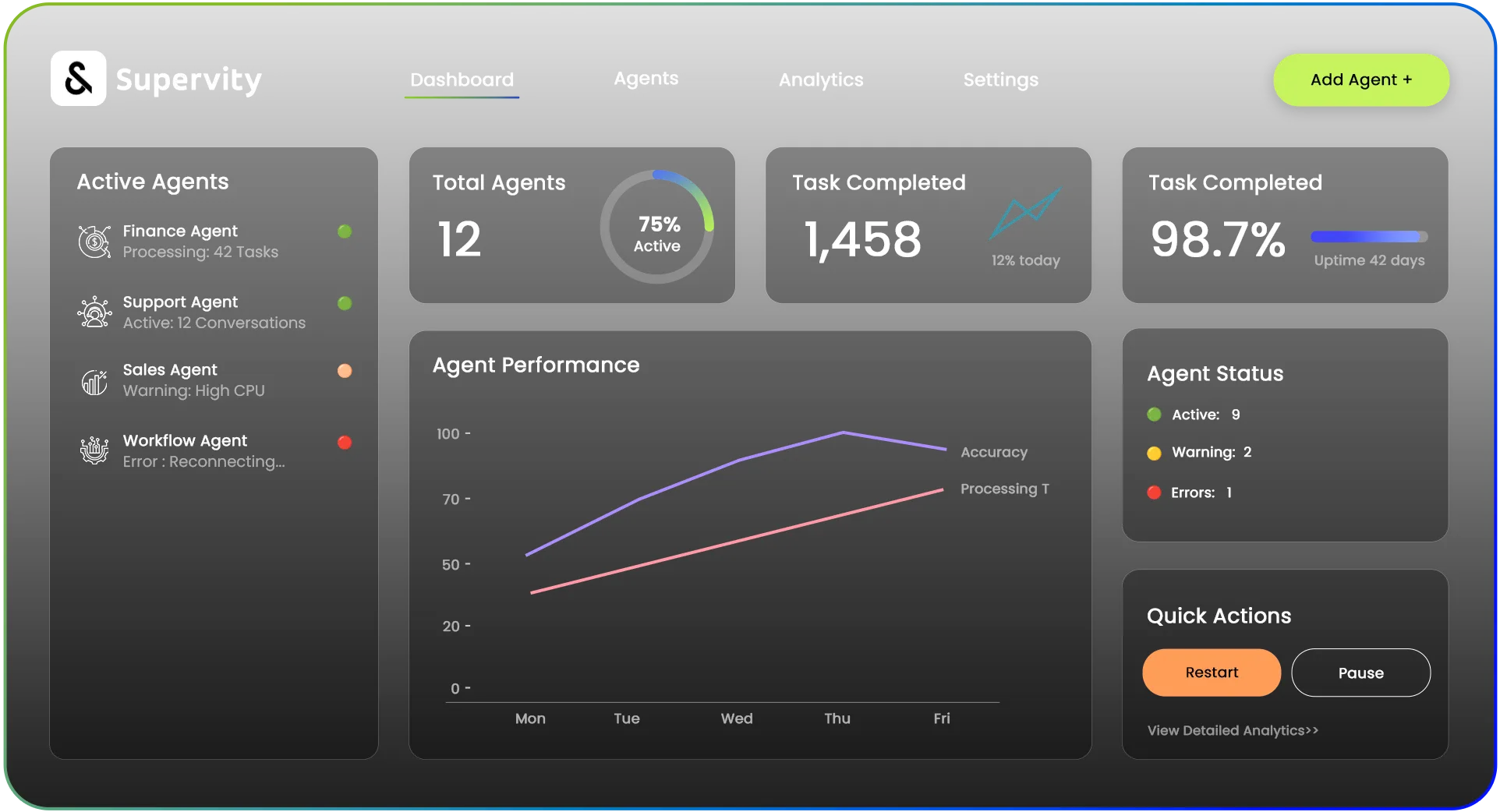
The table below summarizes how leading technology websites and developer communities evaluate Google Antigravity across key criteria such as innovation, usability, safety, and real-world readiness.
| Source / Organization | Perspective | What They Praise | Main Concerns | Overall Verdict |
|---|---|---|---|---|
| Google Developers Blog | Official / Engineering | Agent-first architecture, autonomous execution, long-term vision | Experimental status, requires supervision | 🚀 Foundational platform for the future of AI development |
| DataCamp | Educational / Technical | Artifact-based verification, transparency, learning value | Steeper learning curve for beginners | ⭐ Strong example of practical agentic AI |
| DEV Community | Hands-on / Practitioner | Browser & terminal automation, parallel agents | Risk of unintended actions by agents | ⚠️ Powerful, but demands careful oversight |
| Medium (AI writers) | Analytical / Trend-focused | Shift from code generation to task execution | Still early-stage and evolving | 🔮 Signals a major industry transition |
| Wikipedia | Neutral / Reference | Clear categorization as agentic AI IDE | Limited adoption data so far | 📘 Notable experimental technology |
Key Takeaways from the Comparison
Across reputable sources, several clear patterns emerge:
✅ Where Google Antigravity Excels
- Recognized as a new category, not just another AI IDE
- Strong emphasis on execution + verification, not just code suggestions
- Seen as a strategic long-term investment by Google
⚠️ Commonly Mentioned Risks
- Requires active human supervision
- Not ideal for developers who want full manual control
- Best suited for advanced users, teams, and experimentation
🎯 Industry Consensus
Google Antigravity is widely viewed as a high-impact but high-responsibility platform — extremely powerful when used correctly, but not a “set and forget” tool.