
In 2026, analytics is no longer just about counting pageviews. With stricter privacy regulations, cookie deprecation, and complex multi-channel journeys, businesses need accurate, privacy-first, and attribution-ready tracking tools to understand what truly drives revenue.
Table of Contents
This guide covers the Top 10 Analytics & Tracking Tools in 2026, based on real-world use cases, data accuracy, scalability, and ROI.
Table of Contents
1. AnyTrack
Best for: Affiliate marketers & SaaS publishers

AnyTrack is one of the most reliable server-side tracking platforms for affiliate and SaaS websites in 2026. It focuses on tracking conversions accurately even when cookies and browser tracking fail.
Key features
- Server-side conversion tracking
- Native integrations with major affiliate networks
- Automatic event tracking (no heavy coding)
Pros
- High accuracy
- Fast setup
- Excellent for affiliate attribution
Cons
- Not a full behavioral analytics tool
Best use case: Affiliate review sites, SaaS comparison blogs, content-driven monetization
2. Voluum
Best for: Media buyers & performance marketers


Voluum remains a top choice for high-volume paid traffic teams that need real-time campaign analytics and deep attribution models.
Key features
- Advanced campaign tracking
- Real-time ROI monitoring
- AI-powered traffic distribution
Pros
- Extremely powerful attribution
- Scales well for large budgets
Cons
- Expensive for small teams
- Steep learning curve
Best use case: Agencies, paid ads specialists, enterprise marketers
3. RedTrack
Best for: E-commerce & hybrid affiliate models
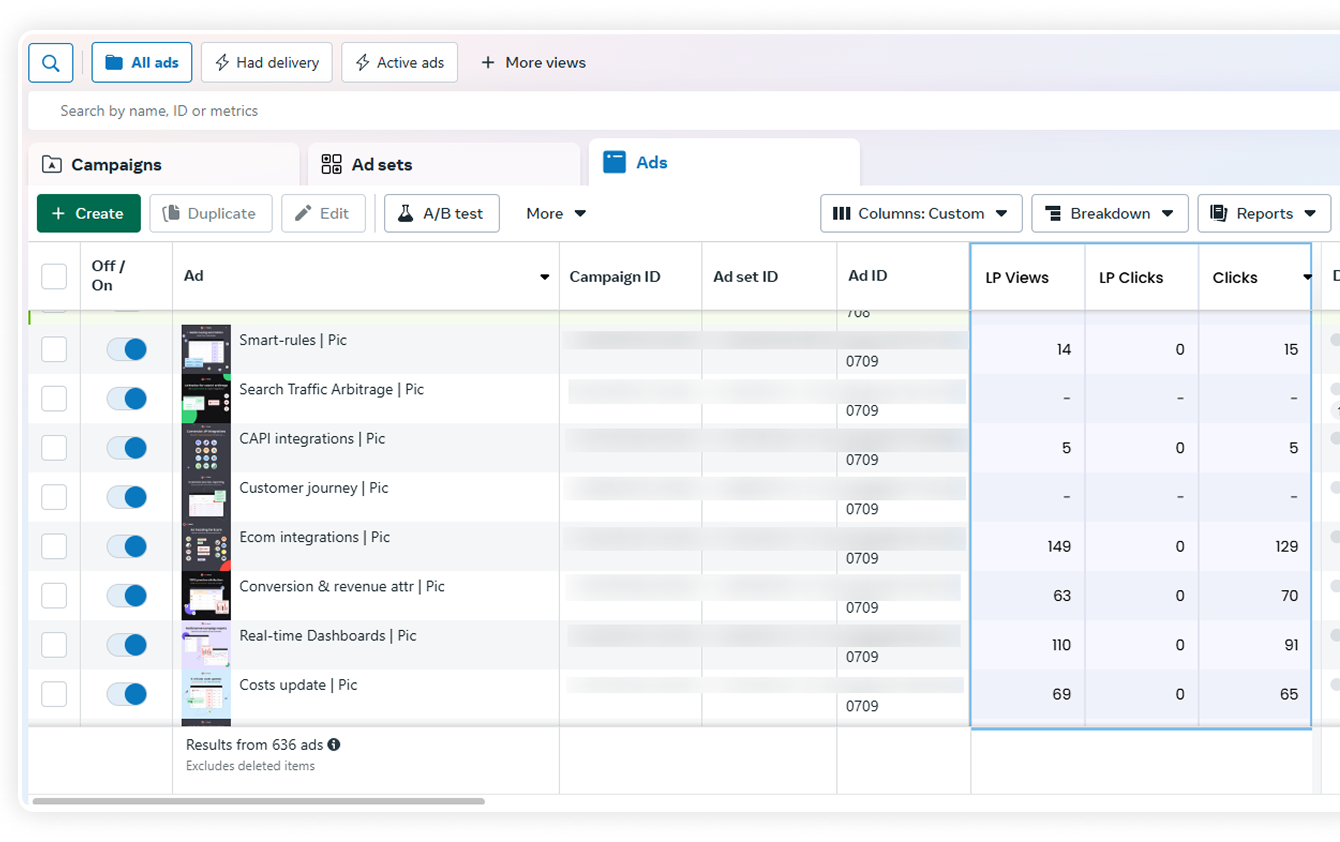

RedTrack bridges the gap between affiliate tracking and eCommerce analytics, making it ideal for brands running paid ads and partnerships simultaneously.
Key features
- Multi-touch attribution
- Shopify & WooCommerce integrations
- Cloud-based tracking
Pros
- Strong eCommerce focus
- Accurate revenue attribution
Cons
- Initial setup can be complex
Best use case: DTC brands, eCommerce marketers, advanced affiliates
4. Google Analytics 4
Best for: General website analytics
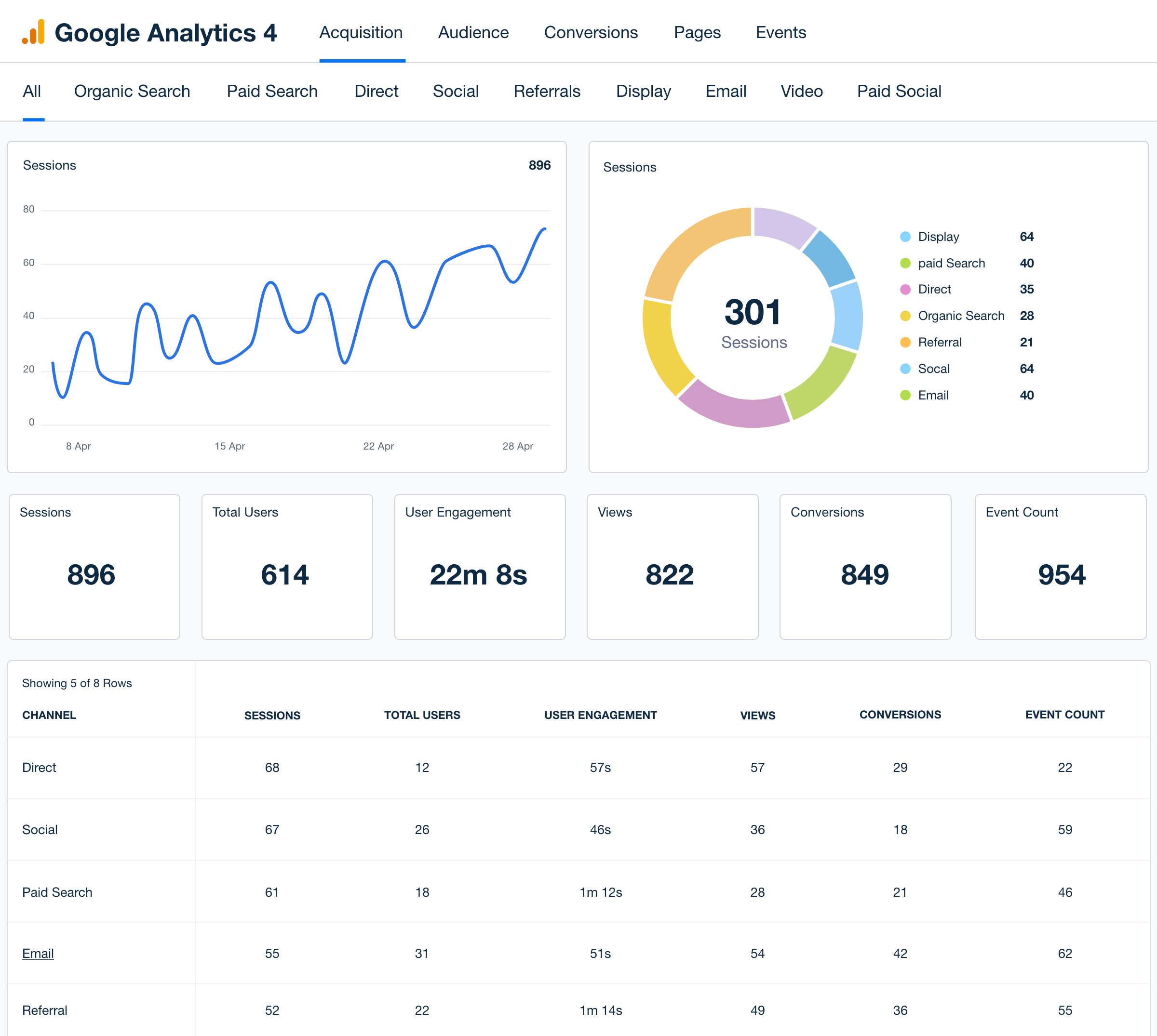
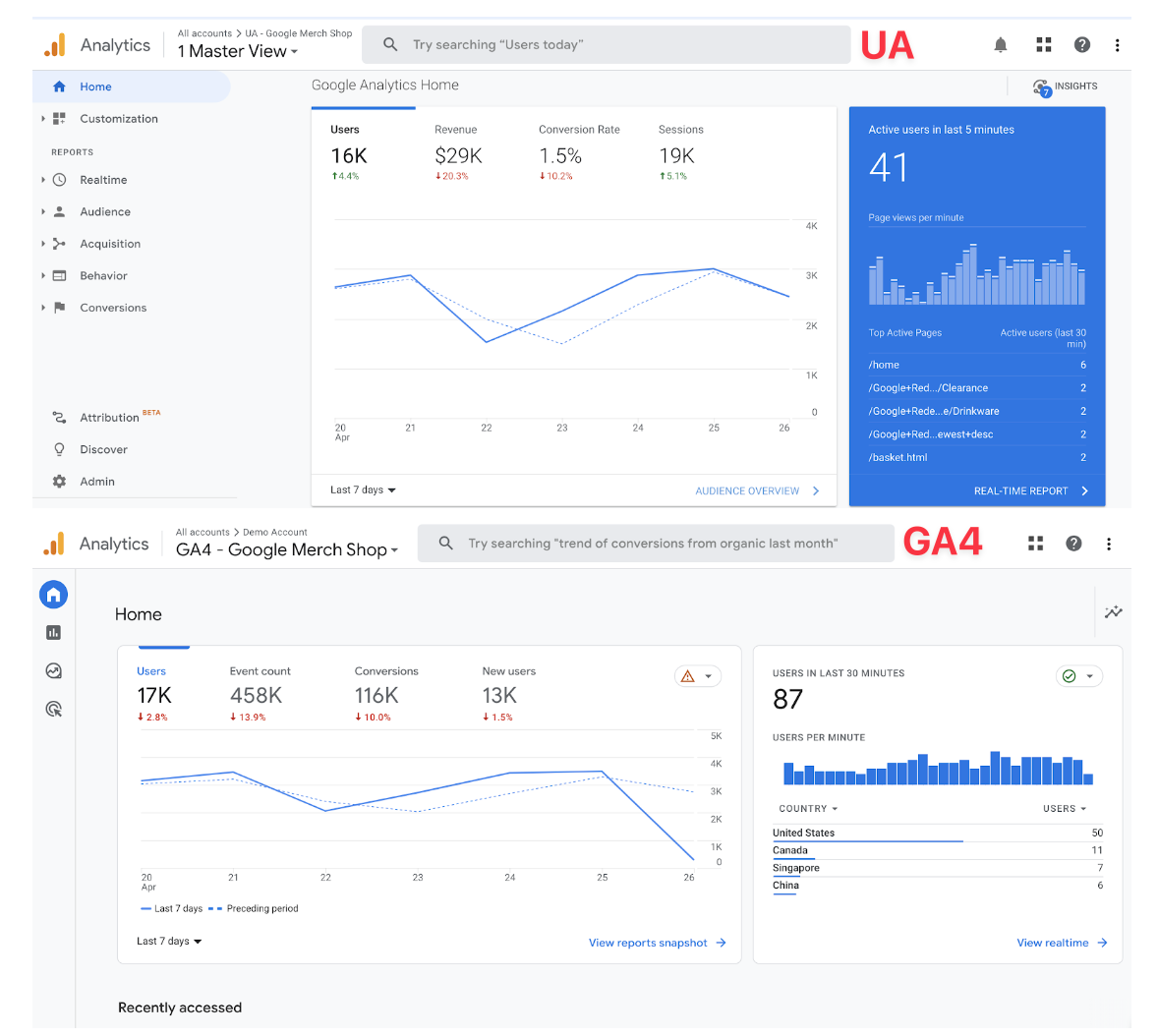
GA4 is still the most widely used analytics tool, especially for traffic insights and basic event tracking.
Pros
- Free
- Deep Google ecosystem integration
Cons
- Limited attribution accuracy
- Not ideal for affiliate tracking
Best use case: Content sites, blogs, basic business analytics
5. Mixpanel
Best for: SaaS product teams
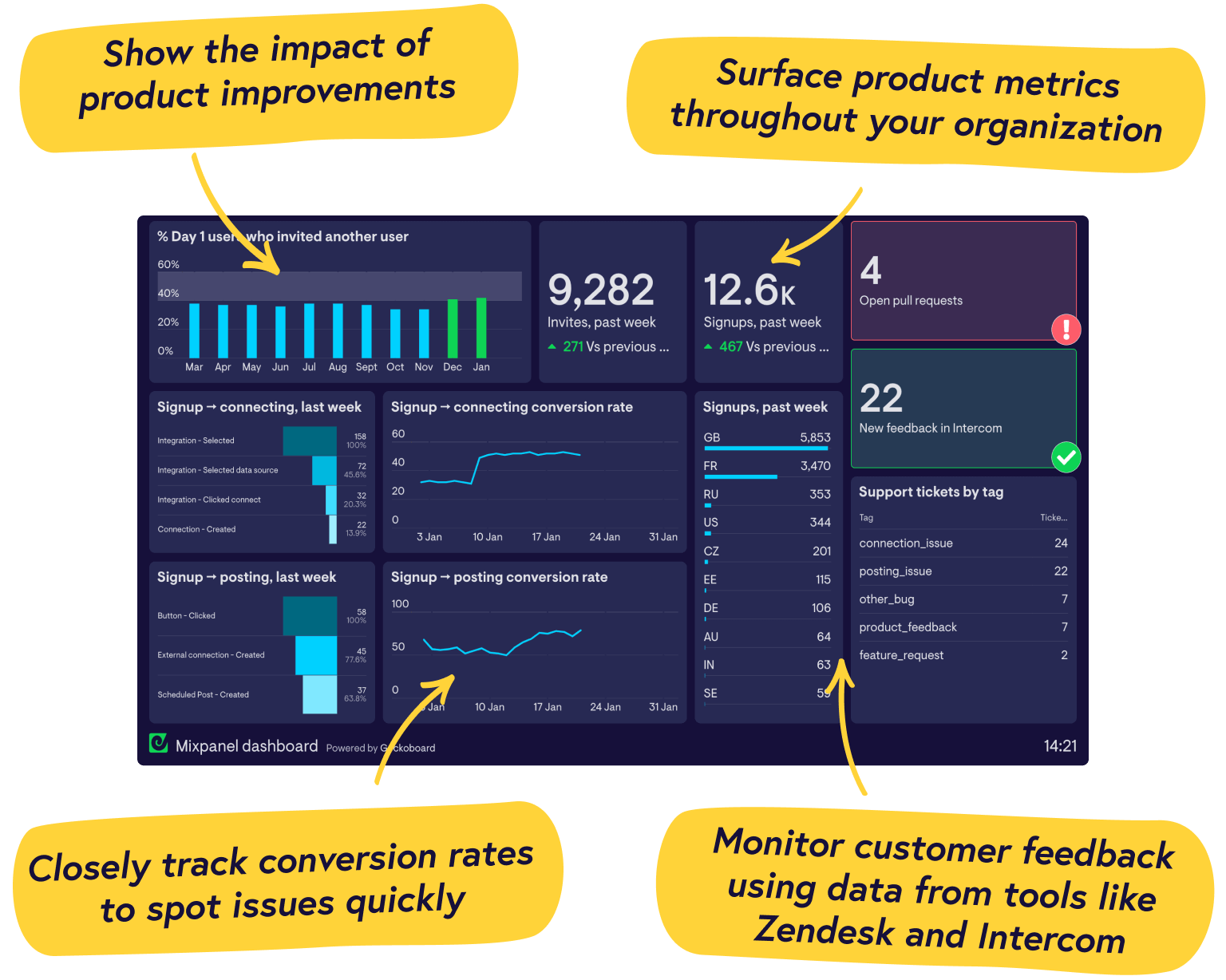

Mixpanel focuses on user behavior and product engagement, rather than traffic alone.
Best use case: SaaS onboarding, retention analysis, feature adoption
6. Amplitude
Best for: Data-driven growth teams


Amplitude is widely used by tech companies to understand long-term user behavior and growth patterns.
7. Matomo
Best for: Privacy-focused analytics
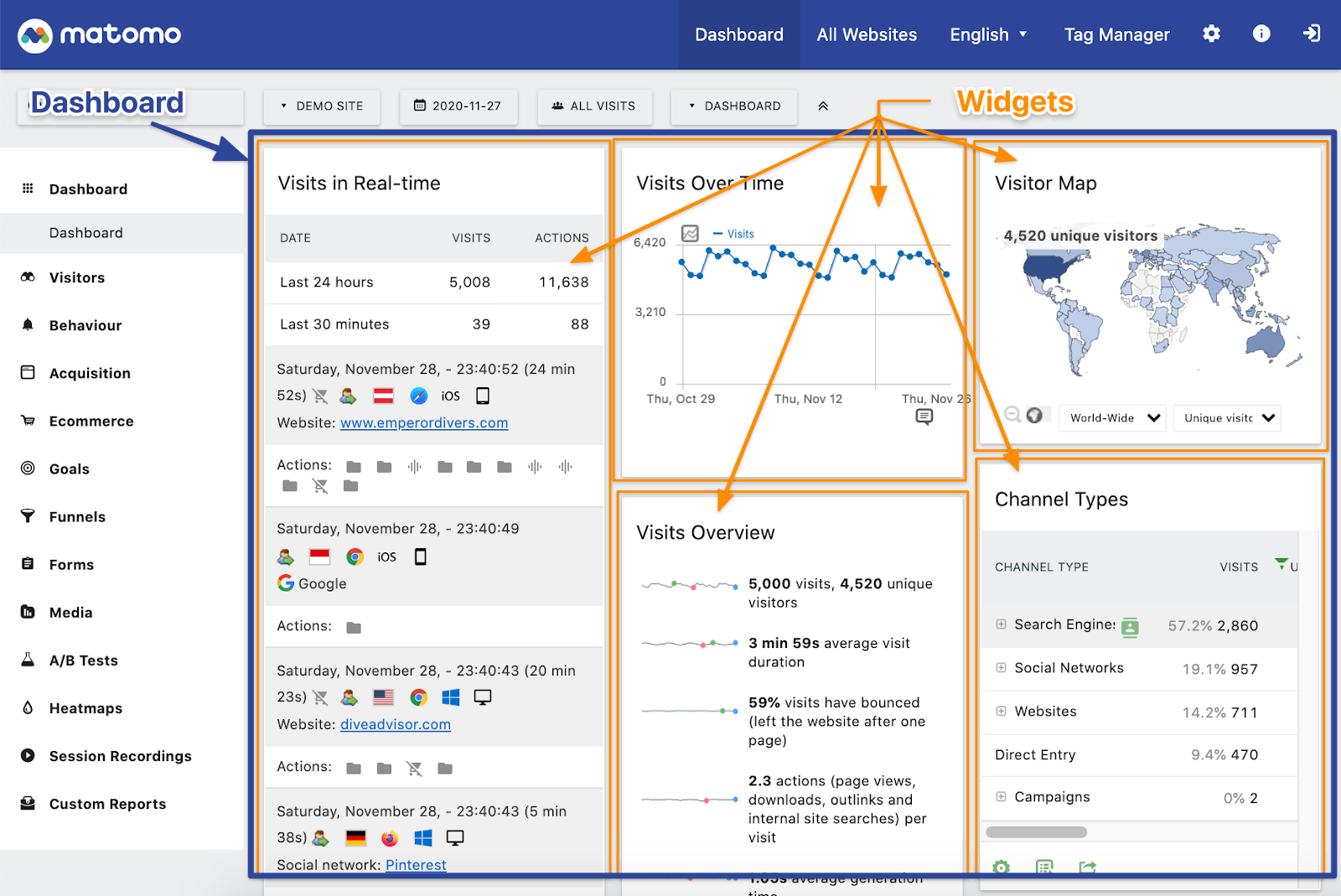
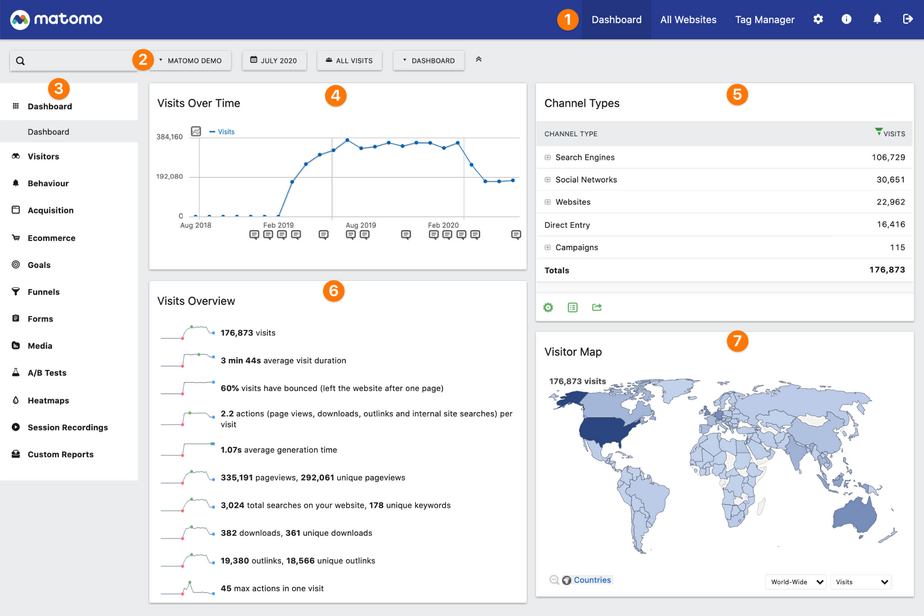
Matomo is a strong alternative to GA4 for businesses needing GDPR-compliant, self-hosted analytics.
8. Heap
Best for: Automatic event tracking
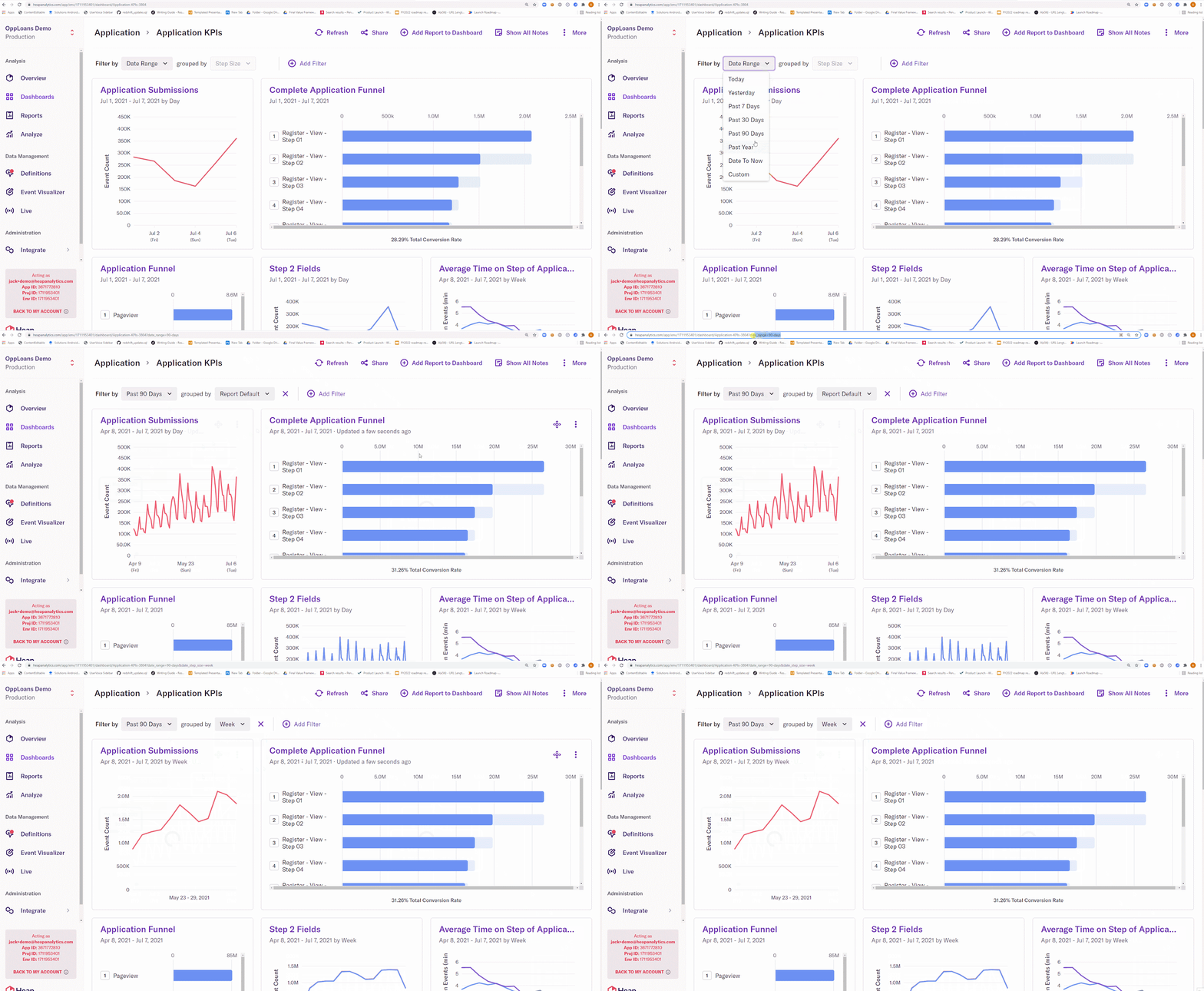
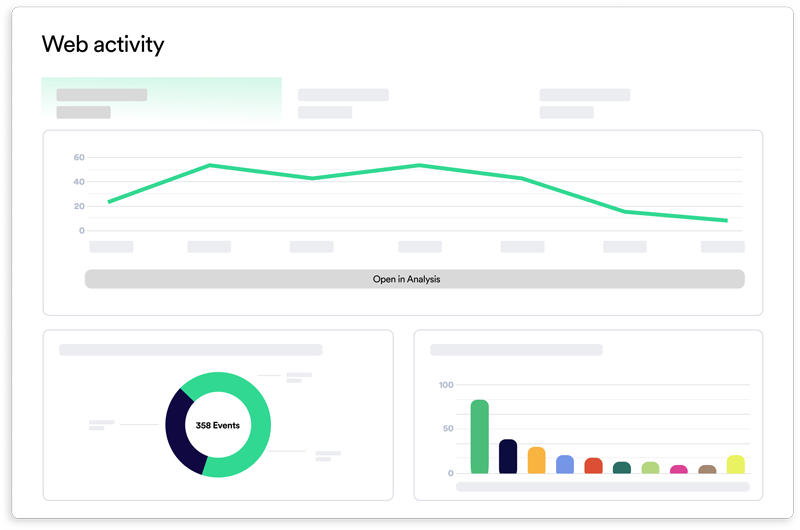
Heap automatically tracks user interactions without manual event setup.
9. Segment
Best for: Data pipelines & integrations

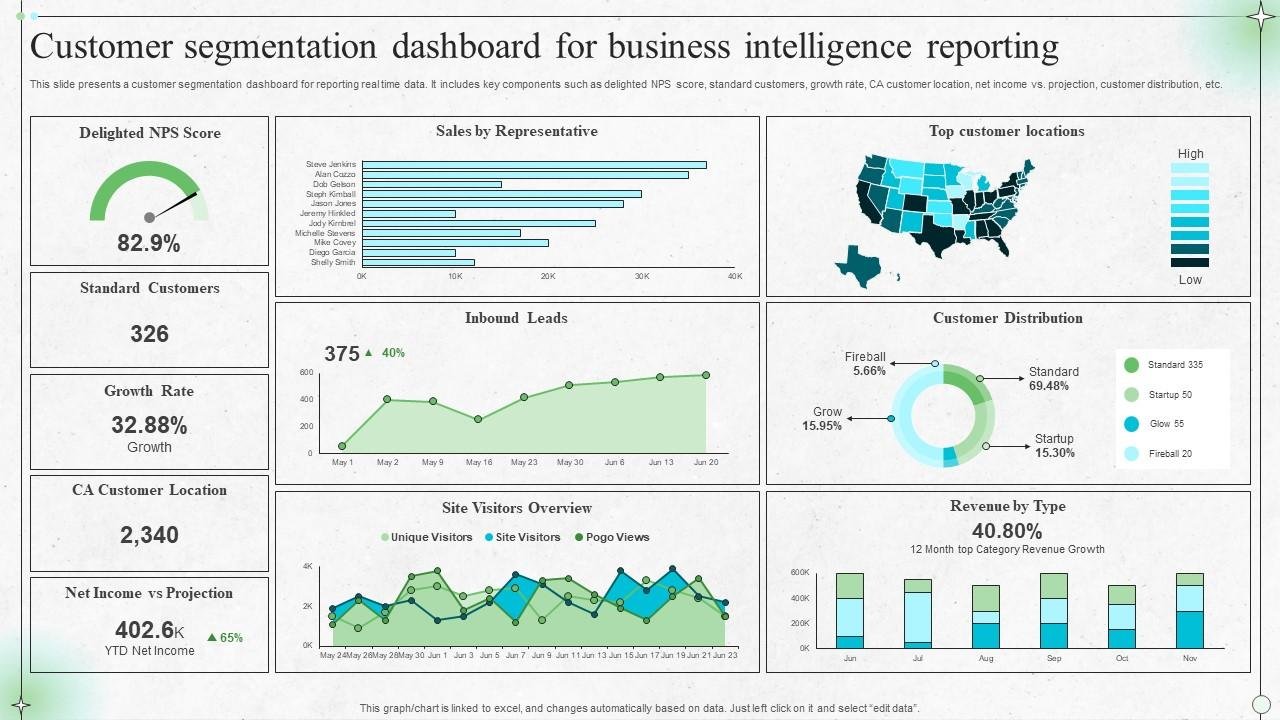
Segment acts as a central hub for customer data, connecting multiple analytics tools together.
10. Plausible Analytics
Best for: Lightweight, privacy-first analytics
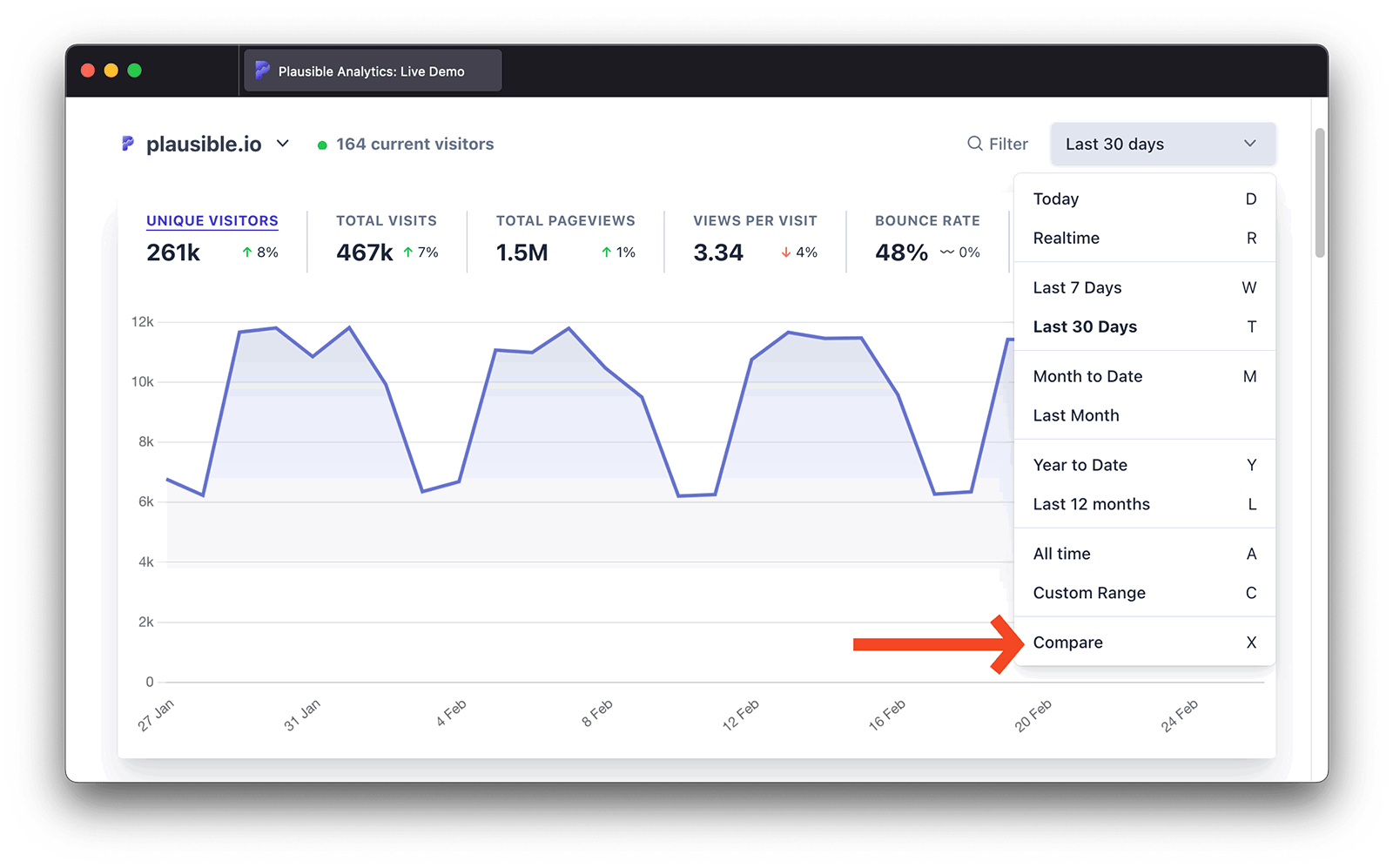
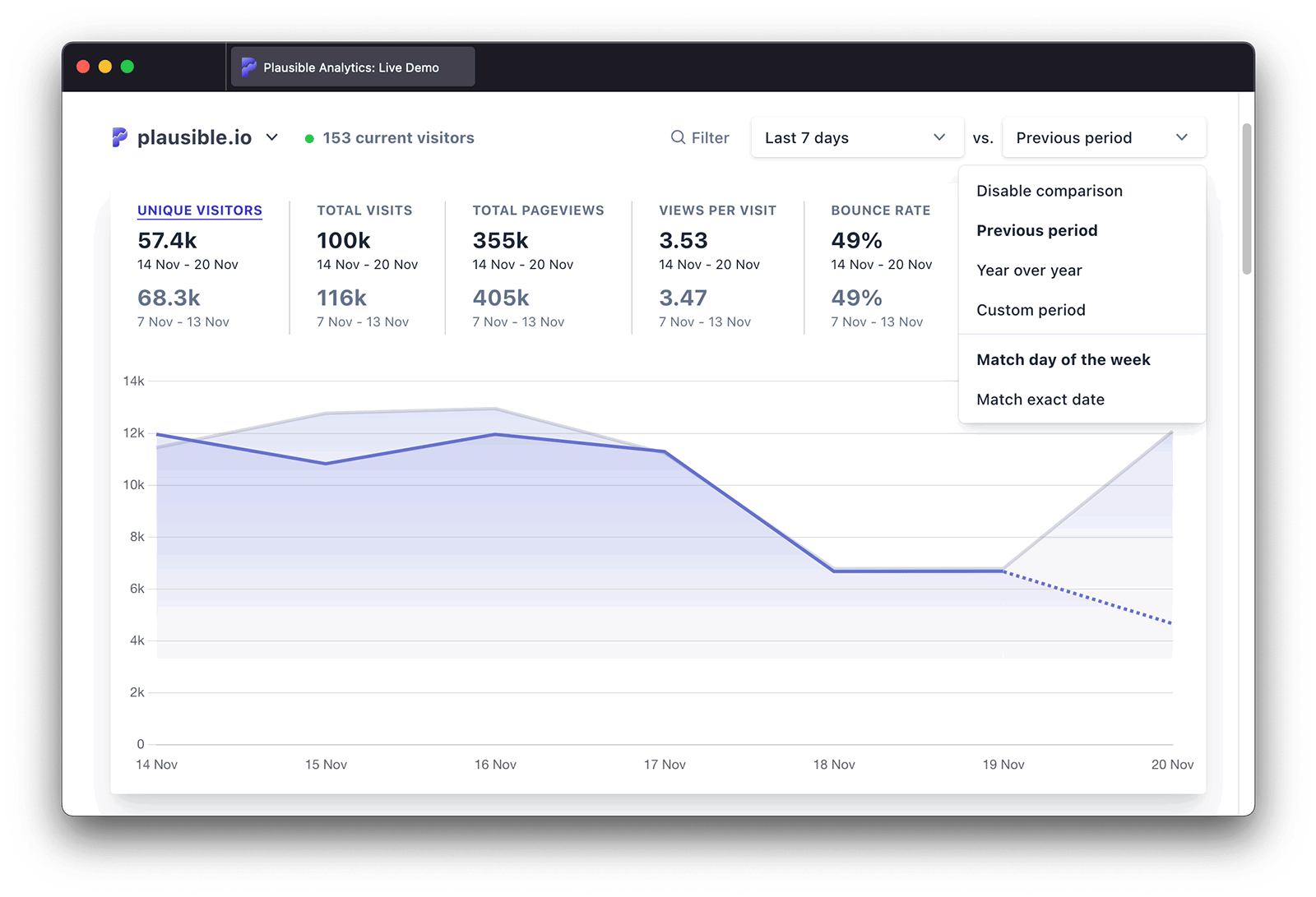
Plausible is a clean, cookie-free analytics tool ideal for small businesses and bloggers.
Final Verdict: Which Analytics Tool Should You Choose in 2026?
- Affiliate & SaaS tracking: AnyTrack
- Paid ads & media buying: Voluum
- E-commerce attribution: RedTrack
- Product analytics: Mixpanel / Amplitude
- Privacy-first analytics: Matomo / Plausible
👉 Pro tip: Many high-performing sites combine GA4 + server-side tracking (AnyTrack or RedTrack) for maximum accuracy.