
Best Software to Manage Accounting, Payments, Finance & Operations
Running a modern business in 2026 means dealing with global payments, subscriptions, taxes, cash flow, and automation—often all at once. The right Business & Finance software can save hundreds of hours per year while improving accuracy, compliance, and profitability.
Table of Contents
In this guide, we’ve handpicked the top 10 Business & Finance tools for 2026, based on real-world use cases, scalability, automation, and ROI.
Table of Contents
1. QuickBooks
Best for: Small to mid-sized business accounting
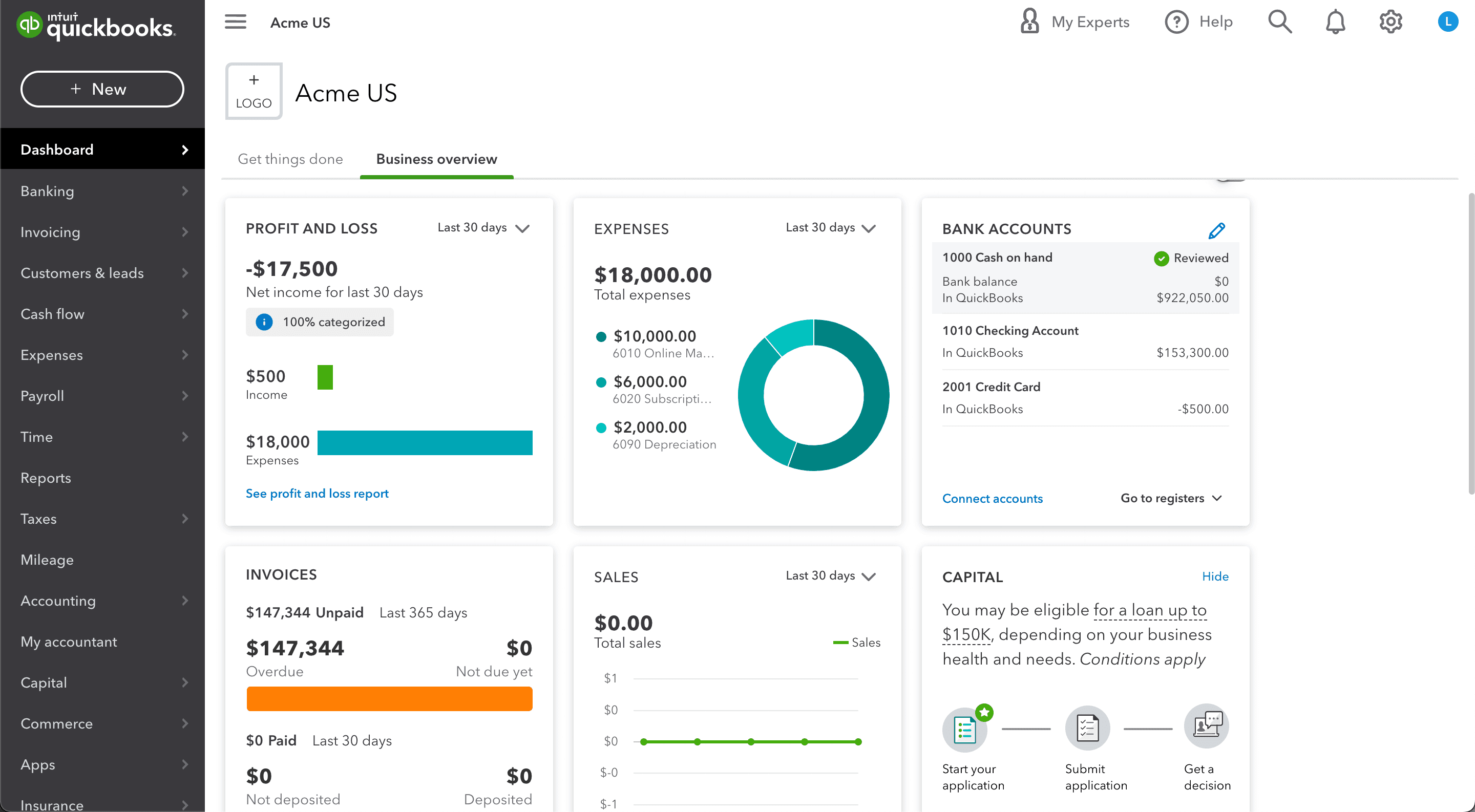
QuickBooks remains the industry standard for accounting in 2026. It handles invoicing, expense tracking, payroll, tax prep, and financial reporting in one ecosystem.
Key Features
- Automated bank reconciliation
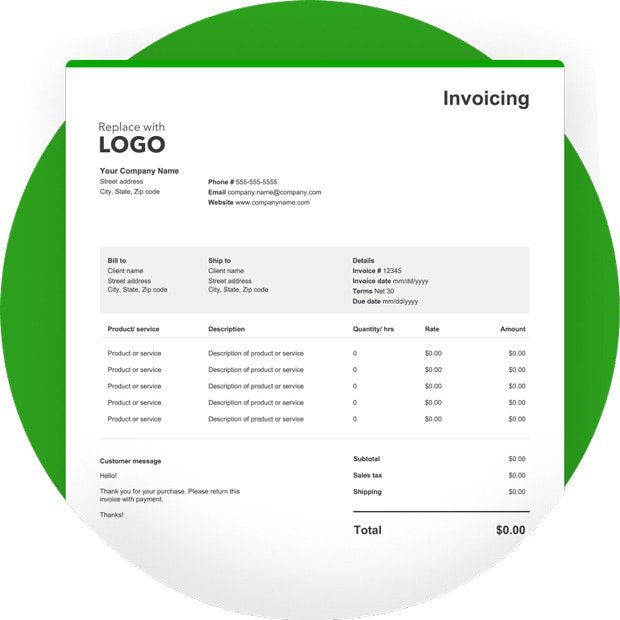
- Invoicing & recurring billing
- Payroll & tax compliance
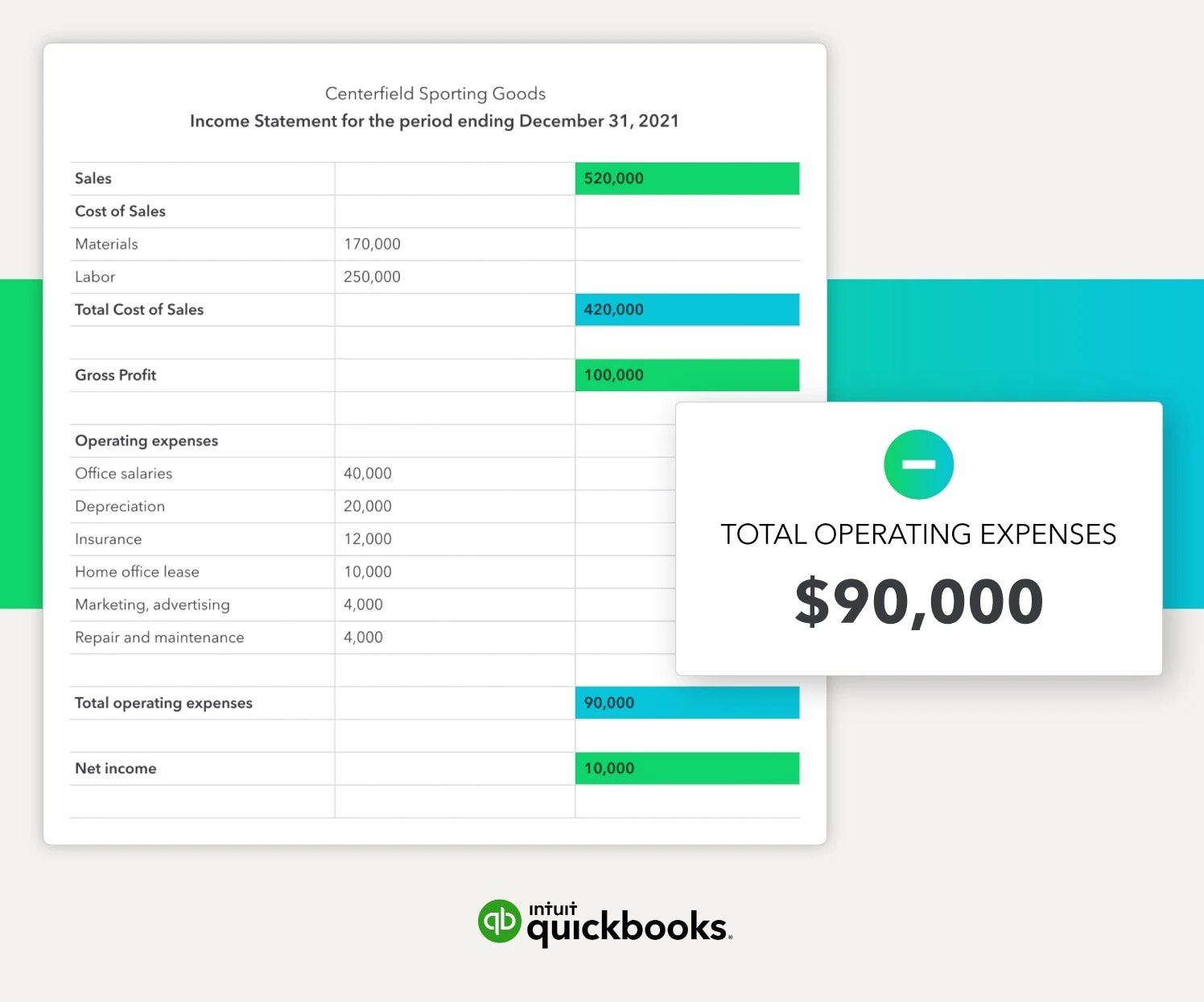
- Profit & loss reporting
Pros
- Trusted and widely supported
- Massive app ecosystem
- Easy for non-accountants
Cons
- Pricing increases with scale
👉 Best for: SMBs, freelancers, agencies
2. Stripe
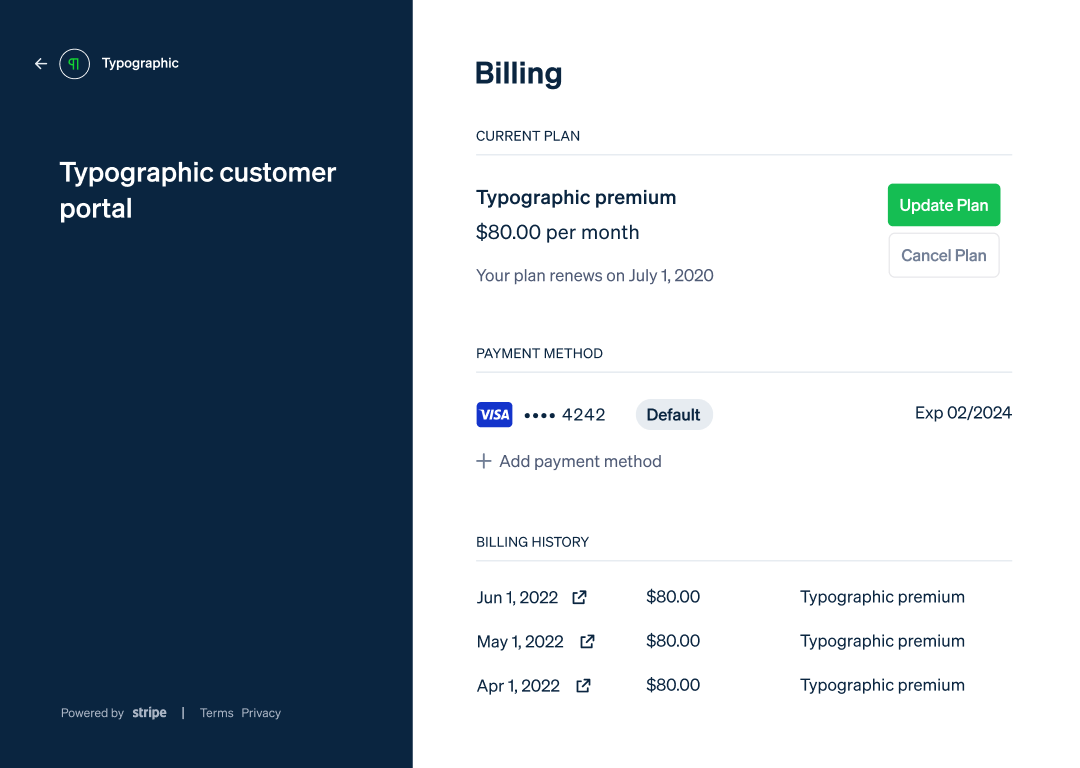
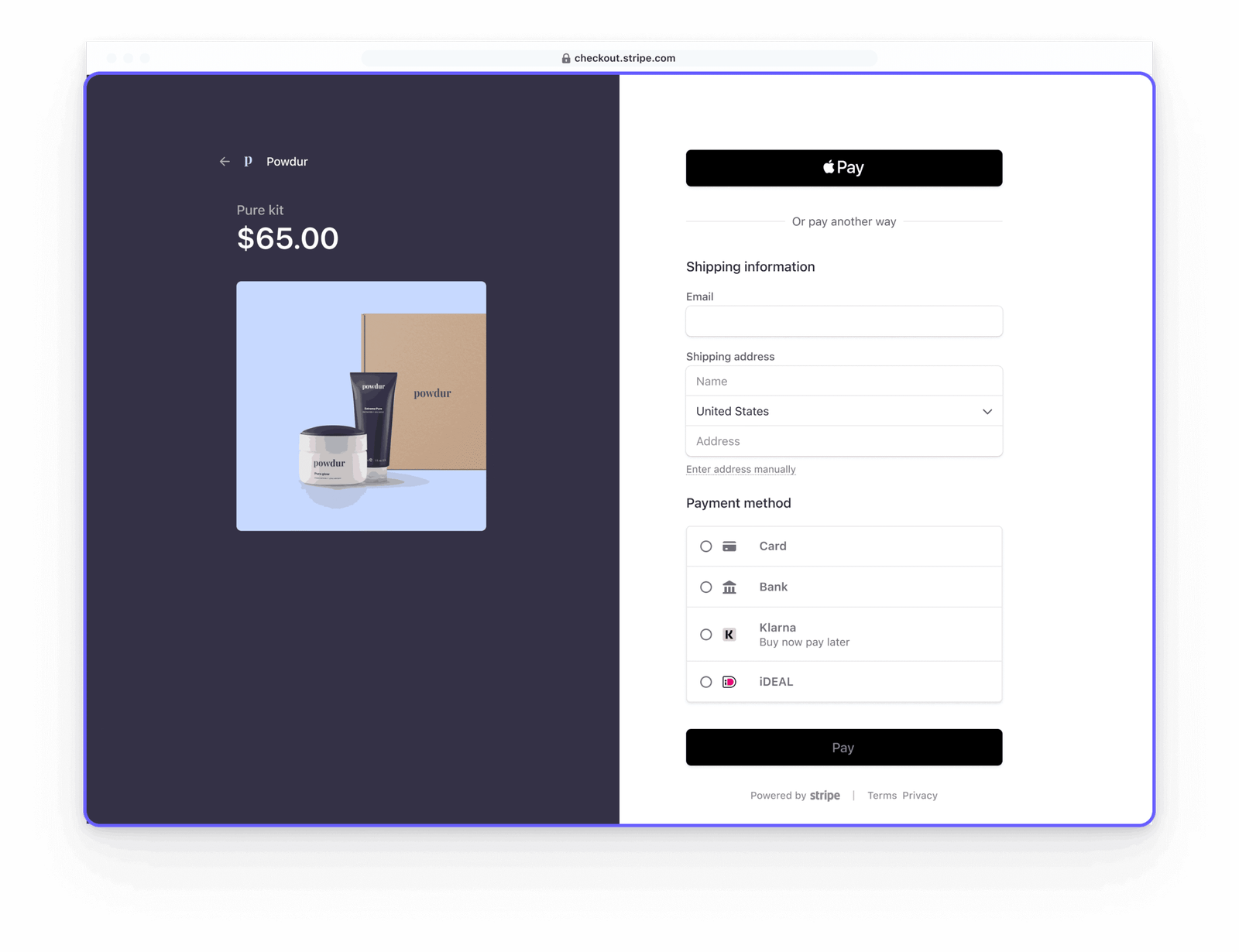
Best for: Online payments & subscriptions
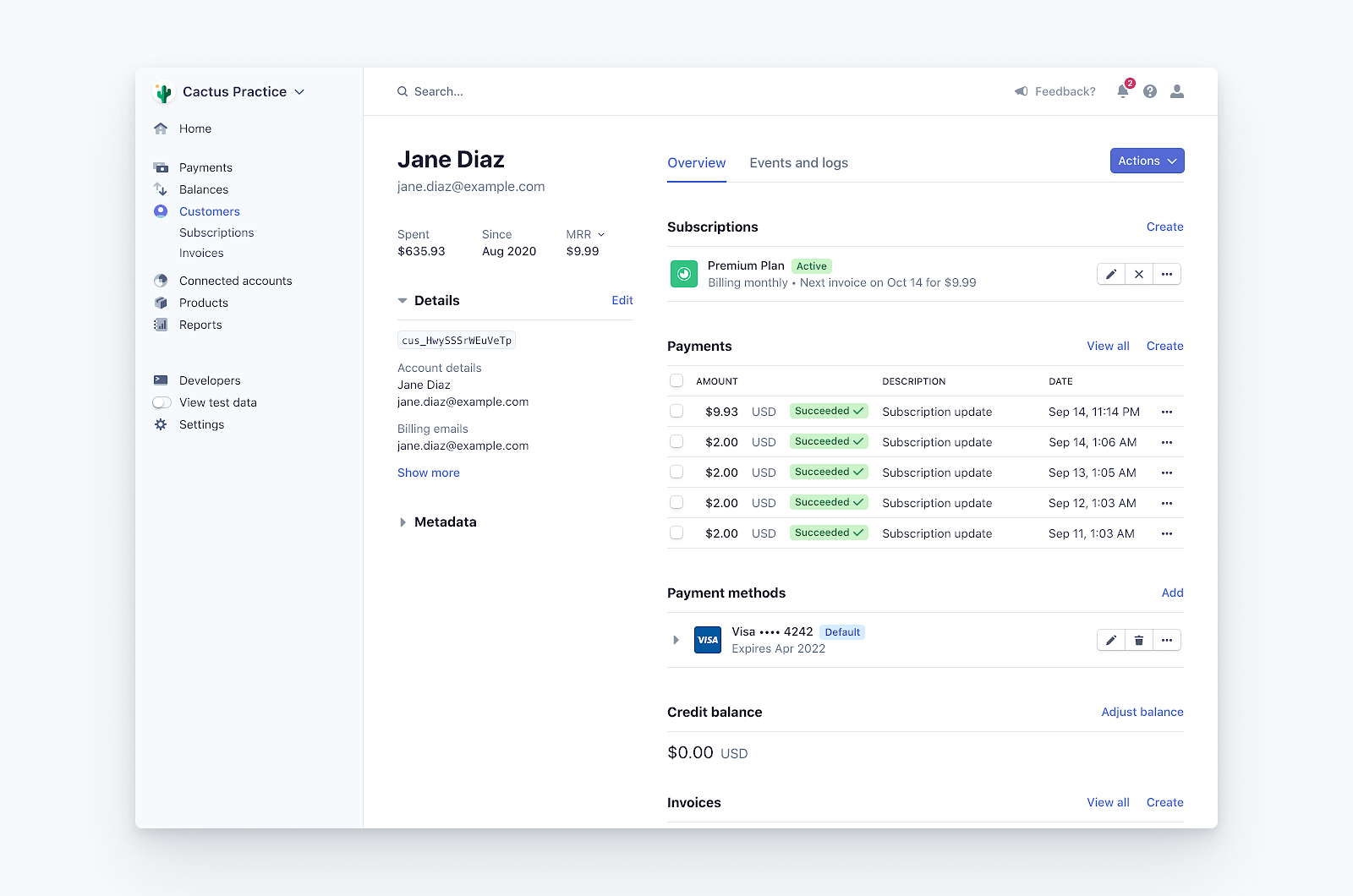
Stripe powers millions of internet businesses and is still the gold standard for developer-friendly payments in 2026.
Key Features
- Global payment processing
- Subscription & usage-based billing
- Fraud prevention (Radar)
- API-first architecture
Pros
- Extremely flexible
- Supports global businesses
- Scales effortlessly
Cons
- Requires some technical setup
👉 Best for: SaaS, marketplaces, online businesses
3. Xero
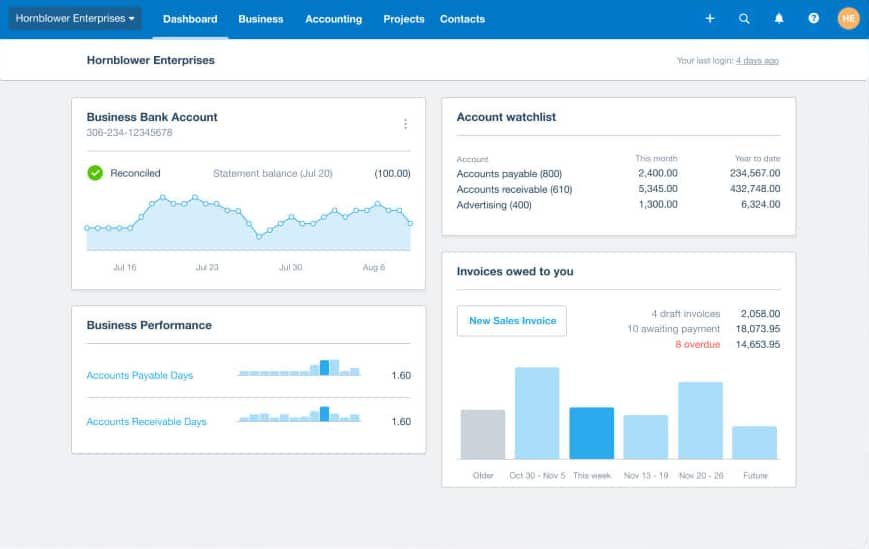
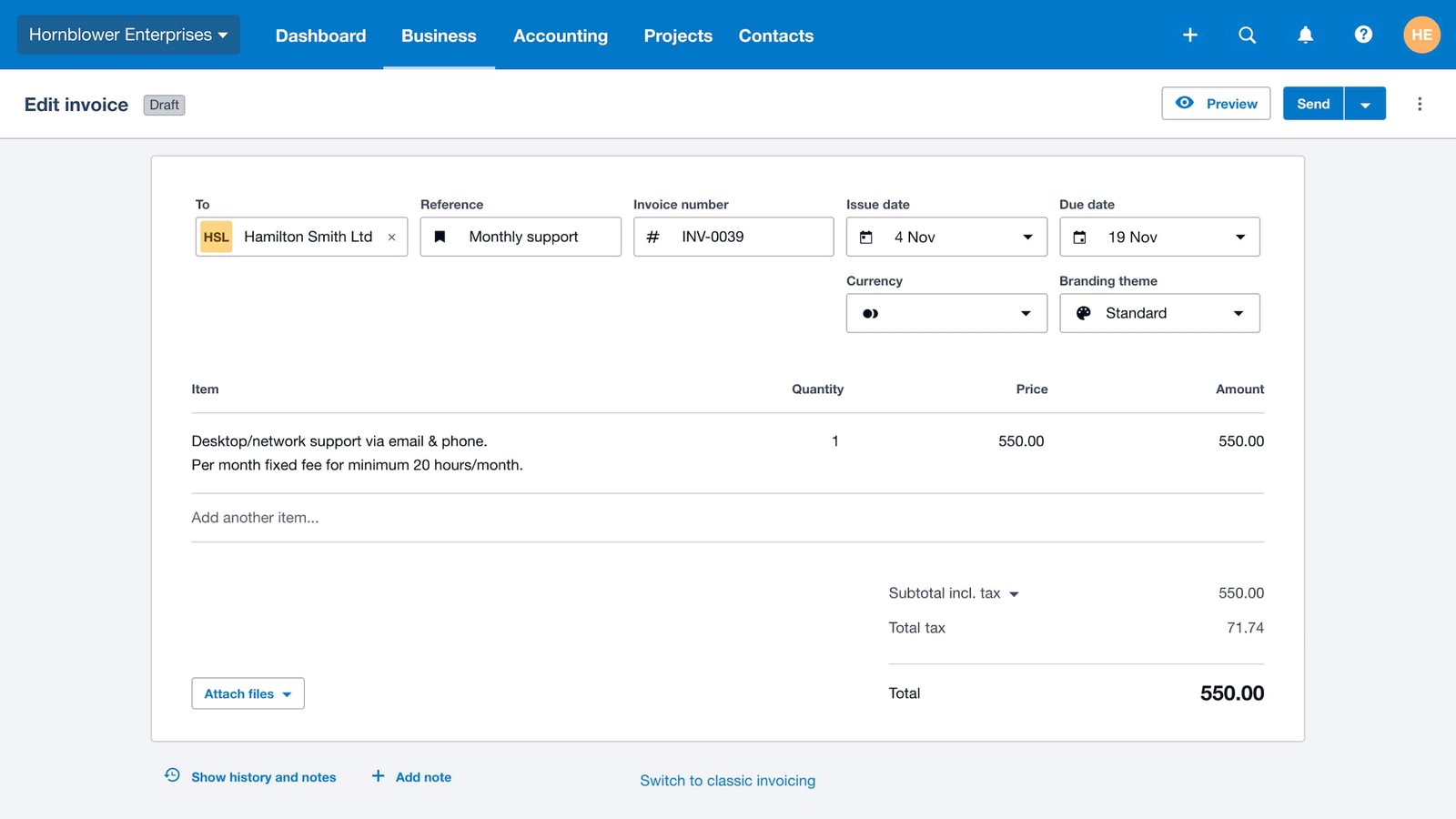
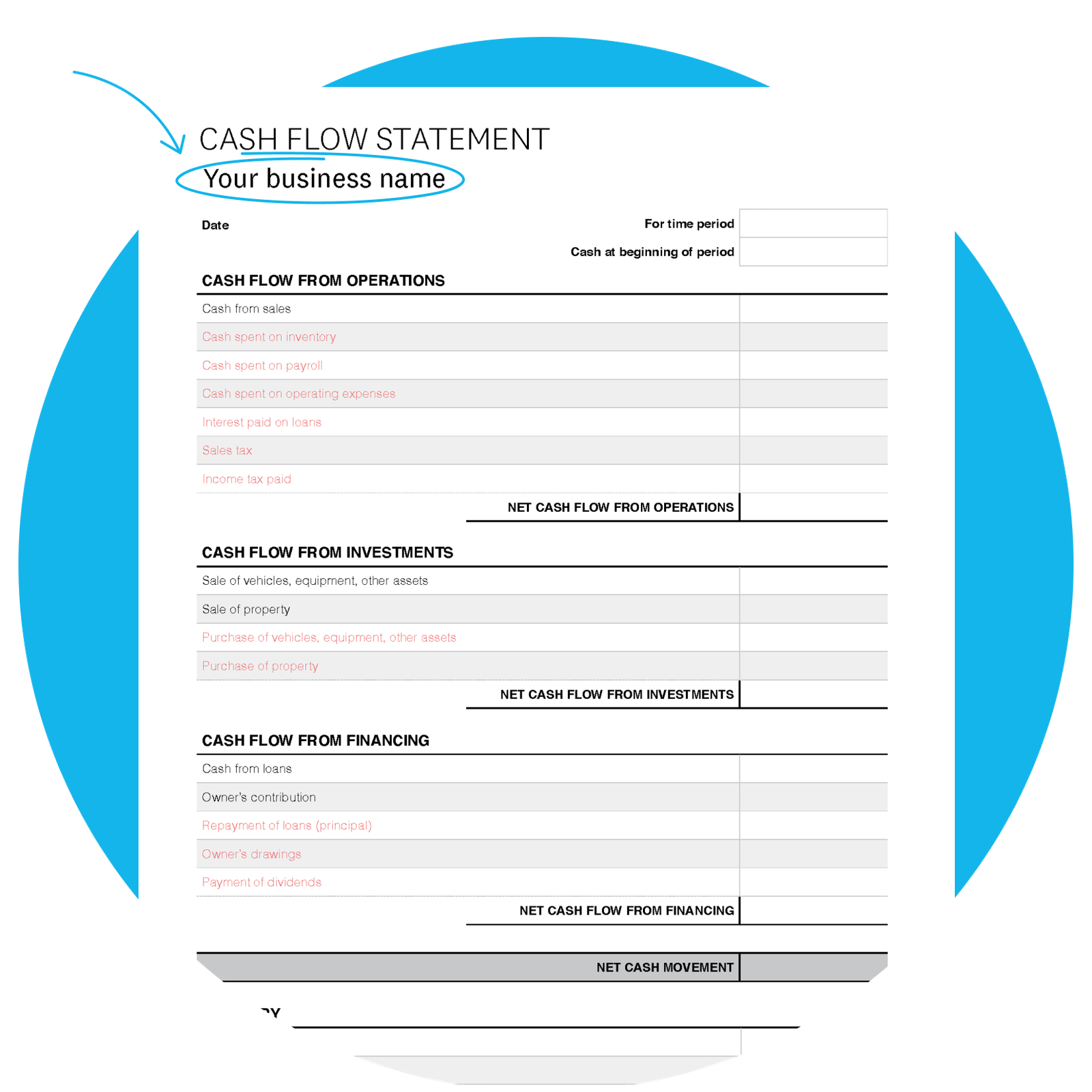
Best for: Cloud-first accounting teams
Xero is a modern accounting platform favored by startups and international businesses.
Key Features
- Real-time financial dashboards
- Multi-currency accounting
- Bank reconciliation
- Accountant-friendly access
Pros
- Clean UI
- Strong automation
- Global tax support
Cons
- Payroll not native in all regions
👉 Best for: Startups, remote teams, global SMBs
4. FreshBooks
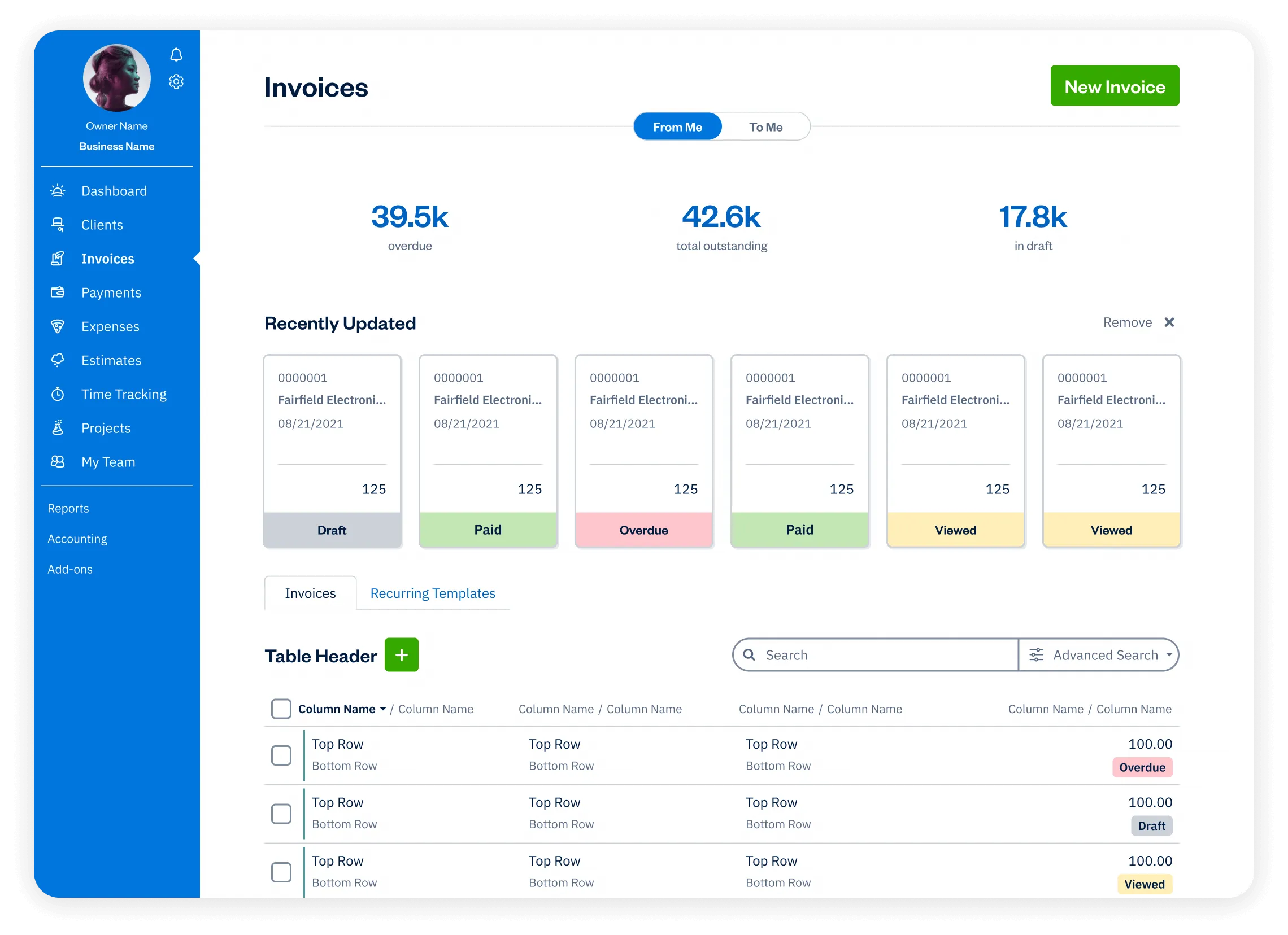

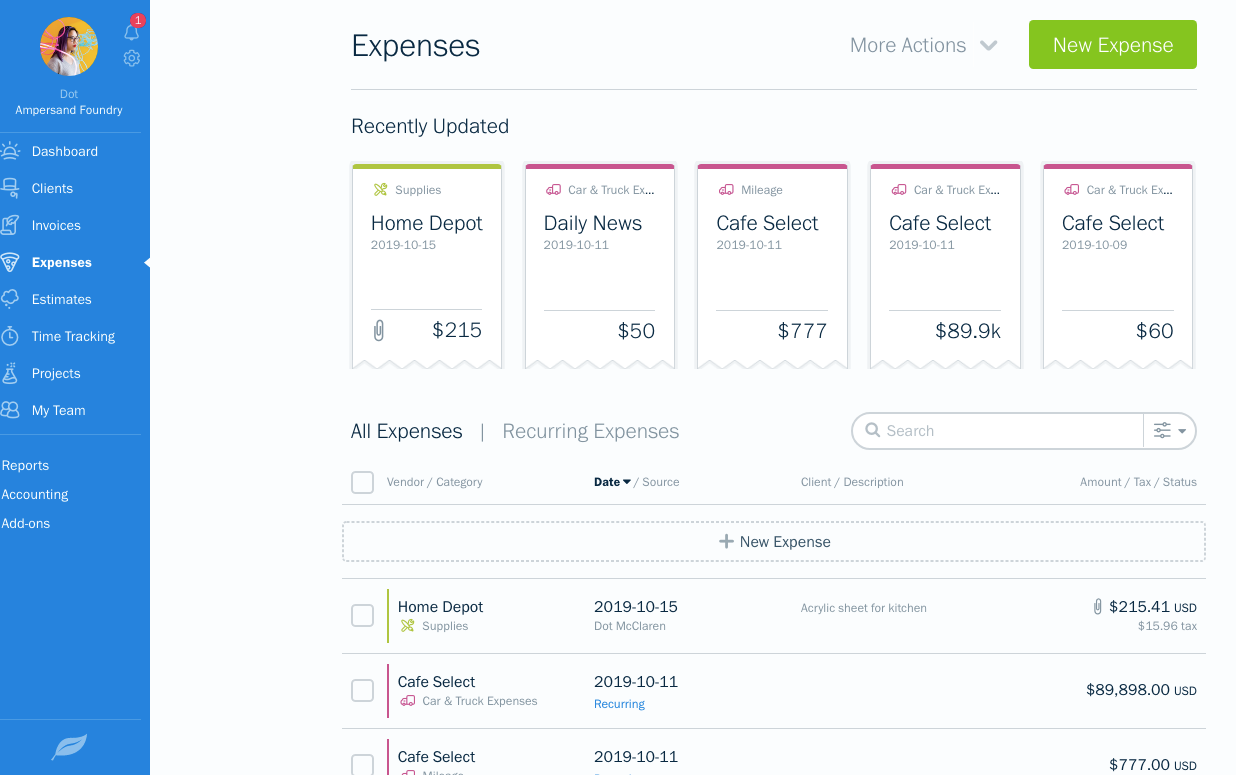
Best for: Freelancers & service businesses
FreshBooks focuses on simplicity—perfect for professionals who bill clients by time or projects.
Key Features
- Professional invoicing
- Time tracking
- Expense management
- Client portals
Pros
- Extremely easy to use
- Fast setup
- Excellent support
Cons
- Limited for complex accounting
👉 Best for: Freelancers, consultants, agencies
5. Wise
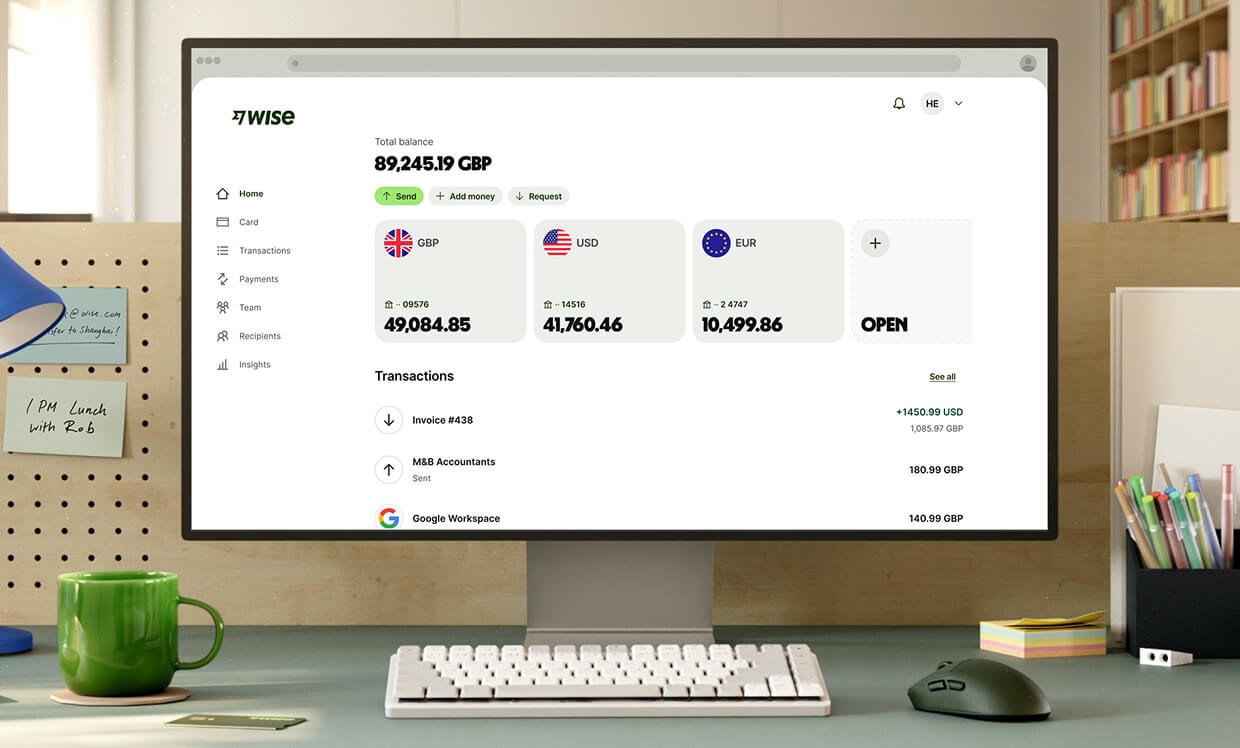


Best for: International payments & multi-currency accounts
Wise (formerly TransferWise) is essential for global businesses in 2026.
Key Features
- Real exchange rates
- Multi-currency accounts
- Low international transfer fees
- Business debit cards
Pros
- Transparent pricing
- Excellent for remote teams
- Fast transfers
Cons
- Not a full banking replacement
👉 Best for: Global teams, digital nomads, international SaaS
6. Gusto
Best for: Payroll & HR automation
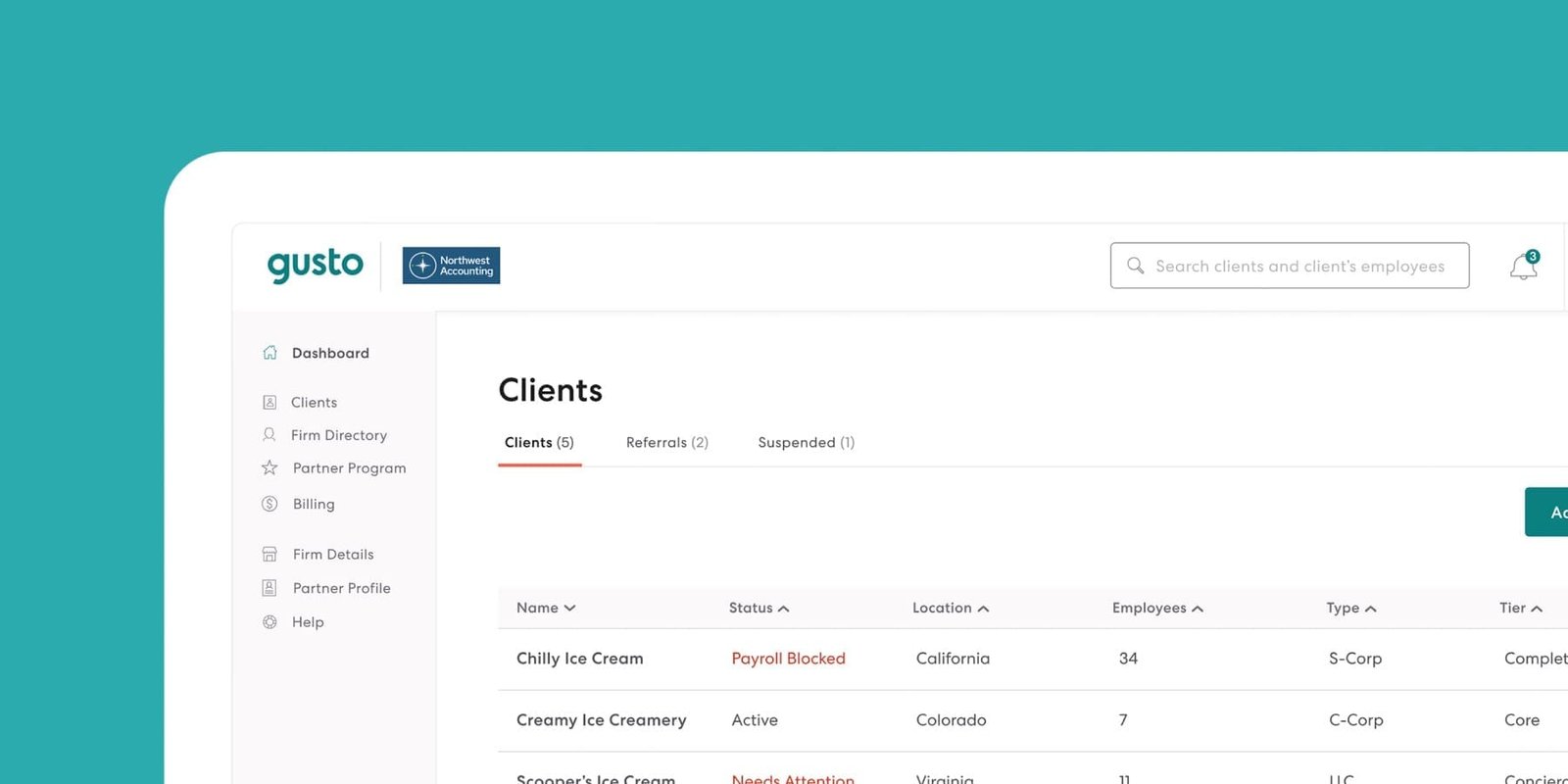
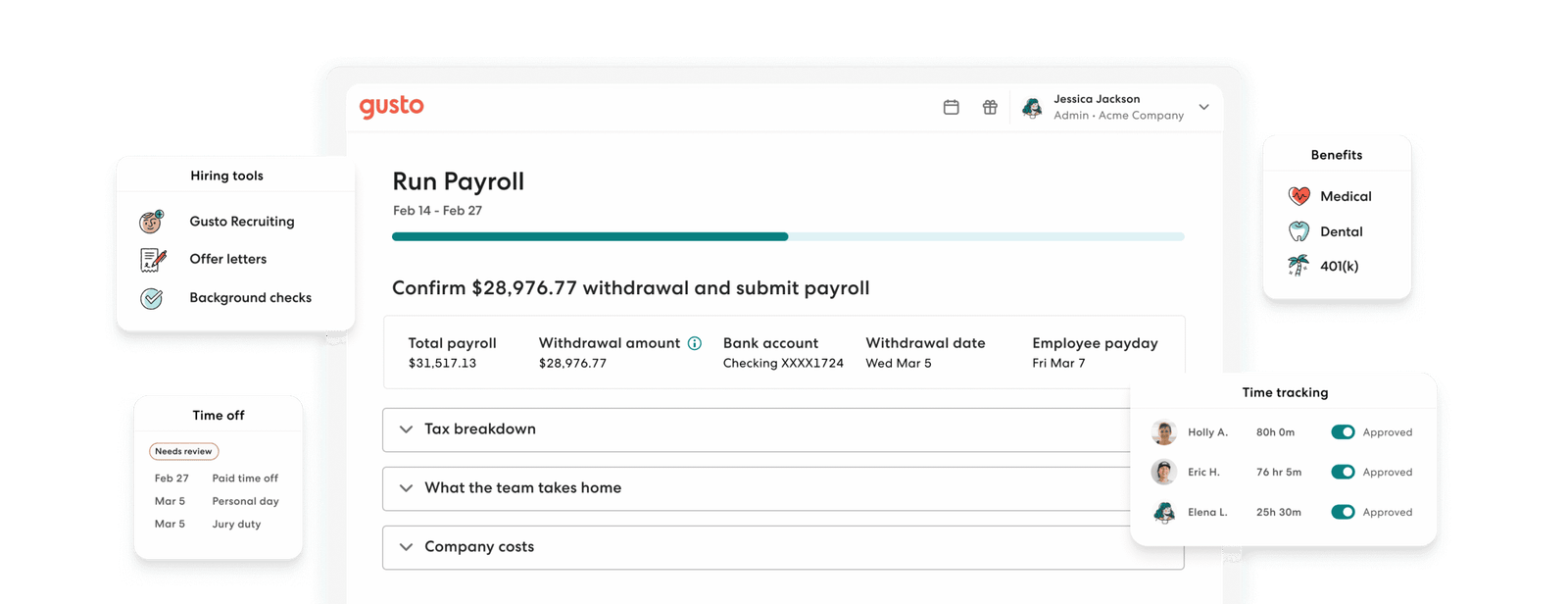
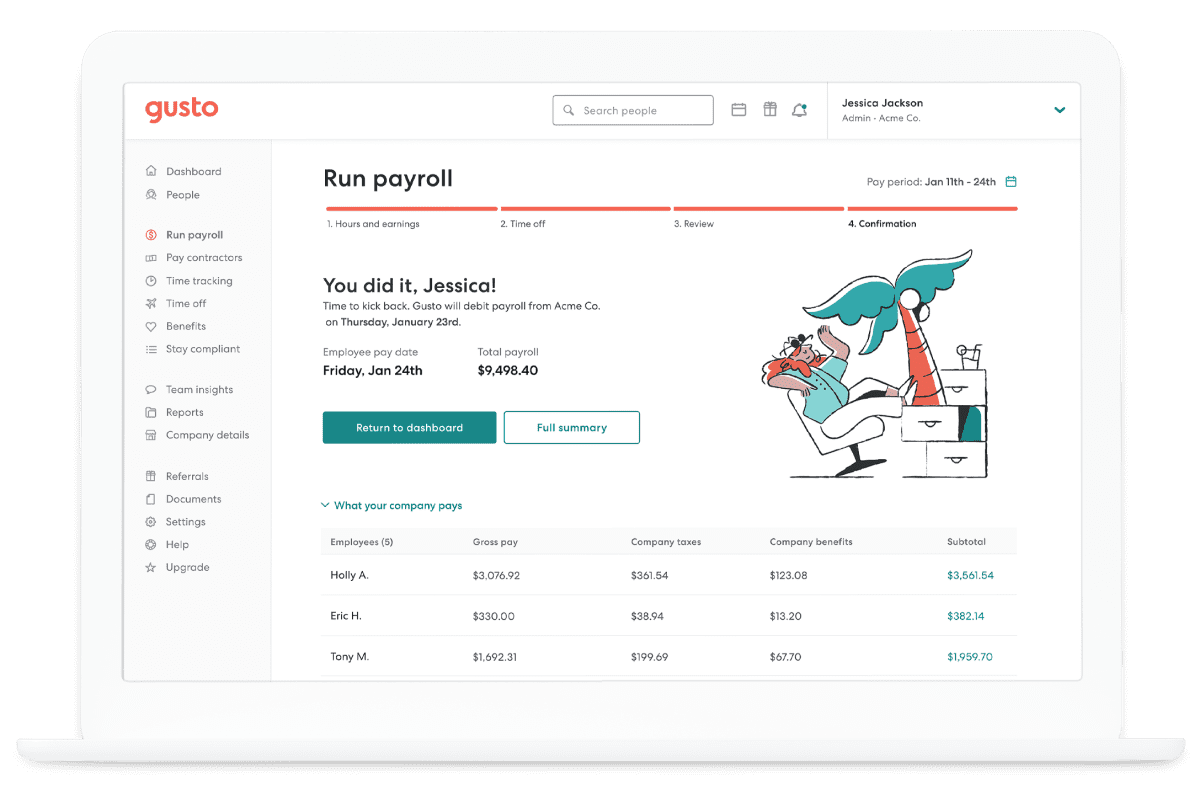
Gusto simplifies payroll, benefits, and compliance for growing businesses.
Key Features
- Automated payroll runs
- Tax filings
- Employee benefits
- Contractor payments
Pros
- Very user-friendly
- Strong compliance automation
- Great employee experience
Cons
- US-centric
👉 Best for: US-based SMBs & startups
7. Zoho Books
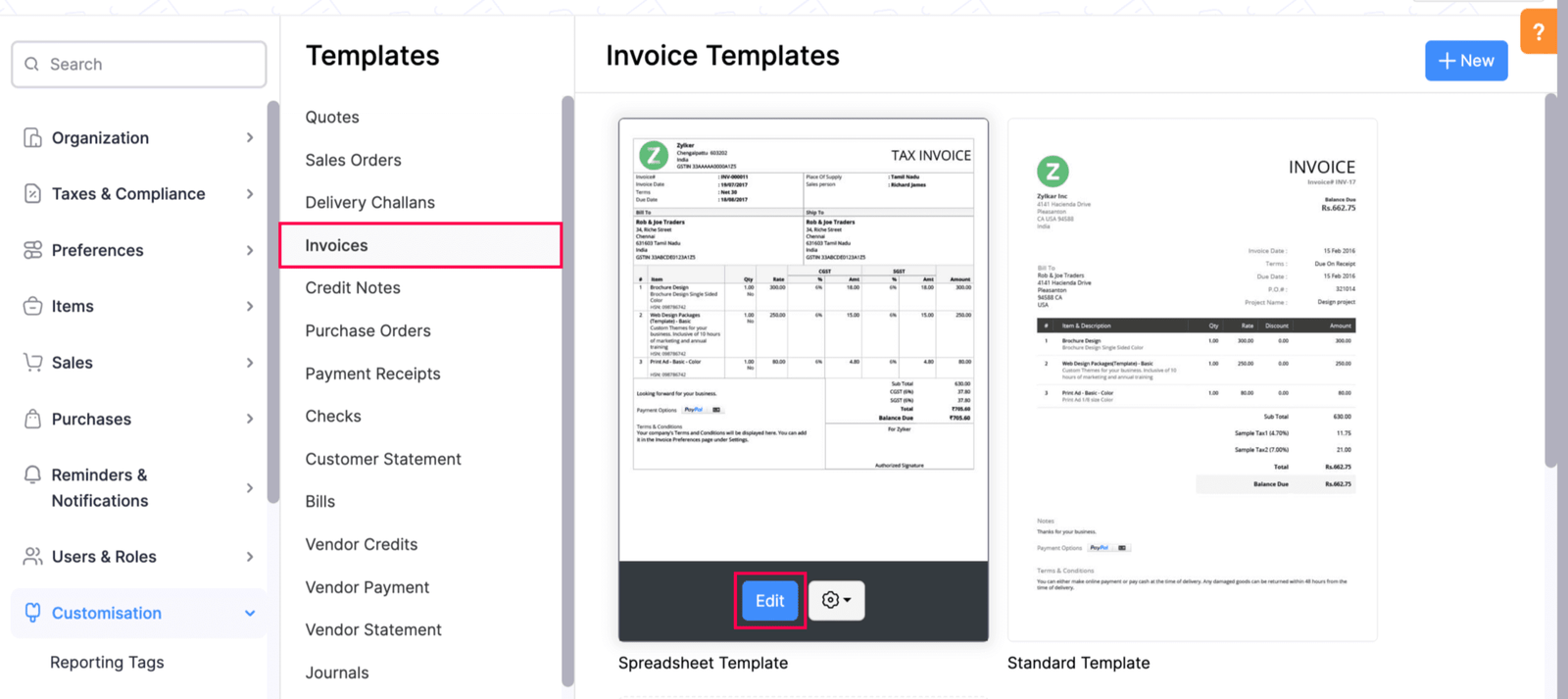

Best for: Budget-friendly accounting
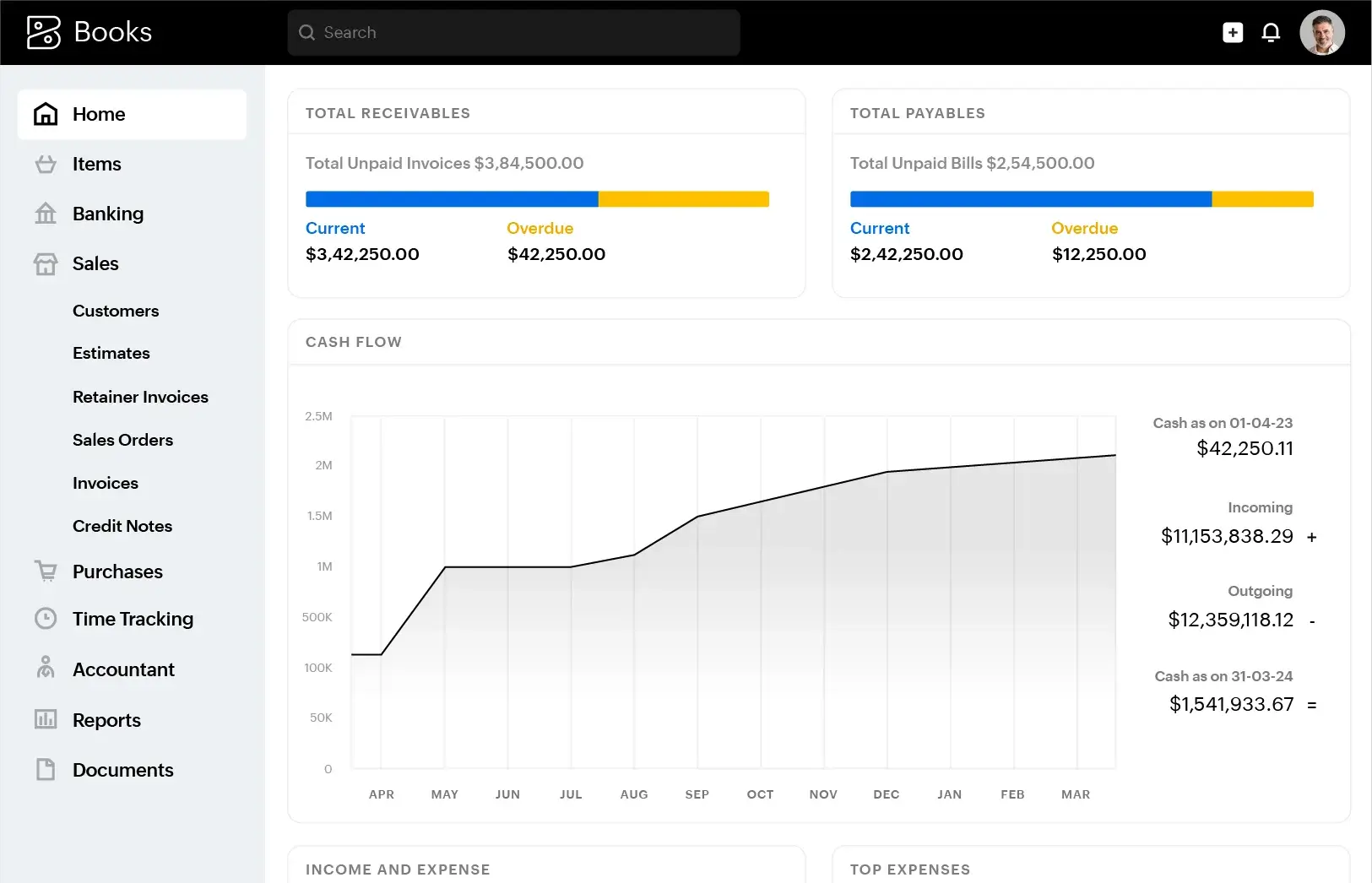
Zoho Books offers enterprise-grade accounting at a competitive price.
Key Features
- Invoicing & expenses
- Tax compliance
- Inventory tracking
- Zoho ecosystem integrations
Pros
- Excellent value
- Feature-rich
- Scales well
Cons
- UI can feel busy
👉 Best for: SMBs already using Zoho products
8. Brex



Best for: Startup finance & spend management
Brex combines corporate cards, expense management, and cash flow tracking.
Key Features
- Corporate cards
- Spend controls
- Real-time reporting
- Startup-friendly underwriting
Pros
- No personal guarantee
- Powerful spend analytics
- Startup perks
Cons
- Not ideal for traditional SMBs
👉 Best for: VC-backed startups & tech companies
9. Chargebee
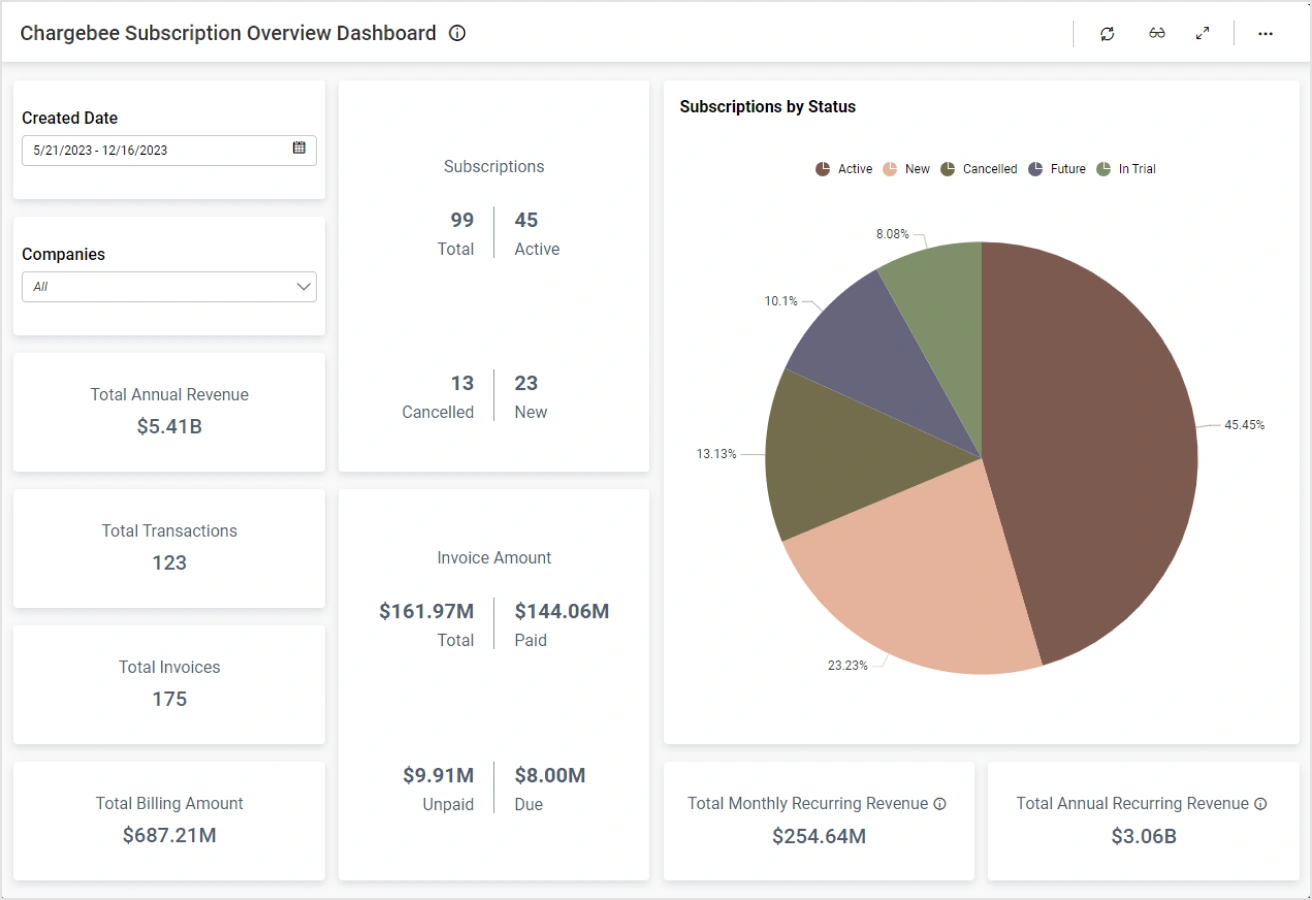
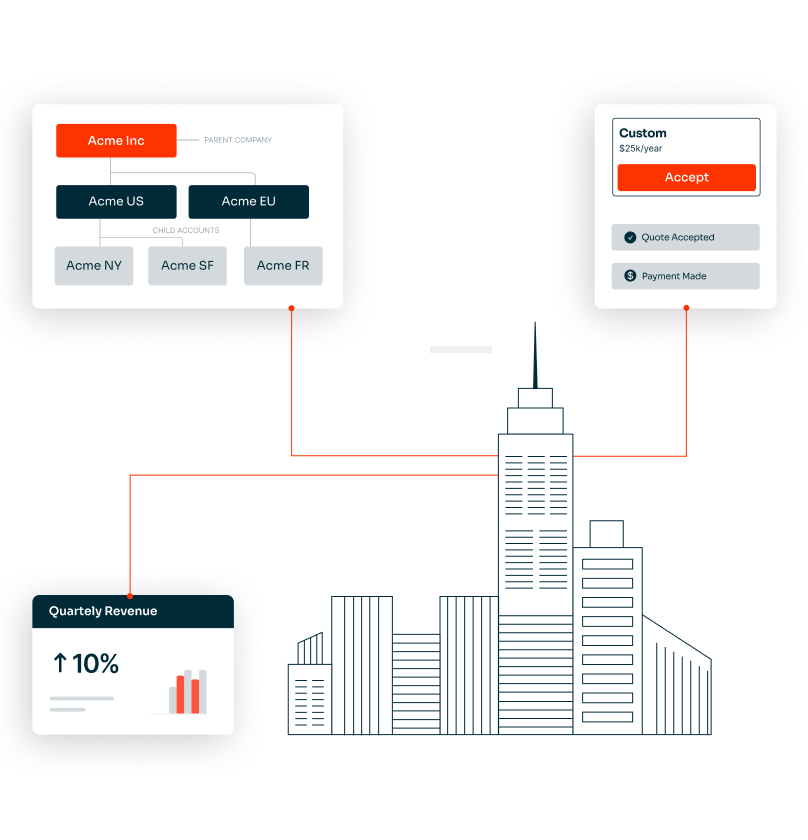
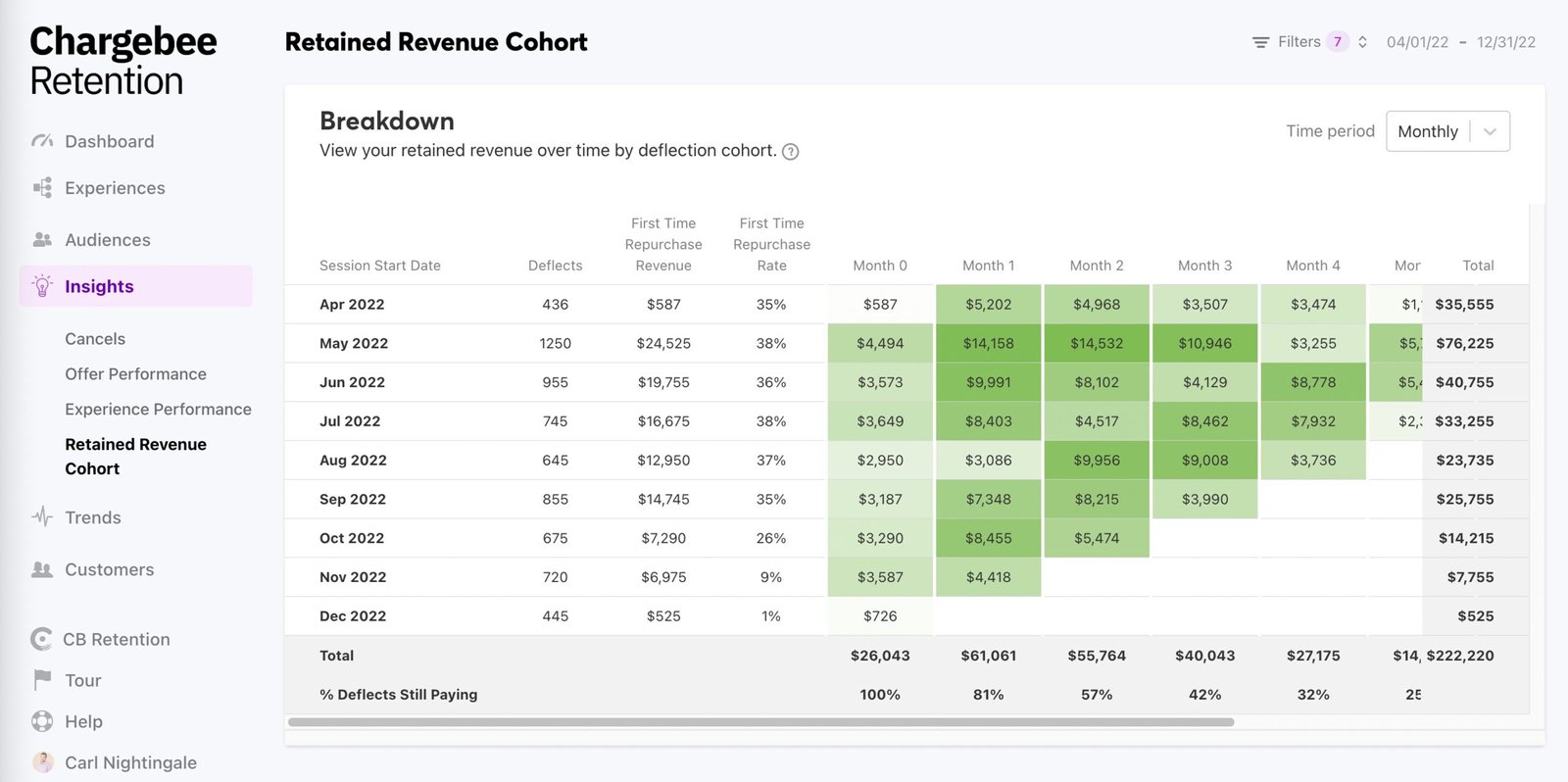
Best for: Subscription & SaaS billing
Chargebee is built specifically for recurring revenue businesses.
Key Features
- Subscription lifecycle management
- Revenue recognition
- Tax & compliance
- Dunning & churn reduction
Pros
- Designed for SaaS
- Scales globally
- Strong analytics
Cons
- Overkill for non-subscription businesses
👉 Best for: SaaS & subscription companies
10. Ramp


Best for: Expense & spend optimization
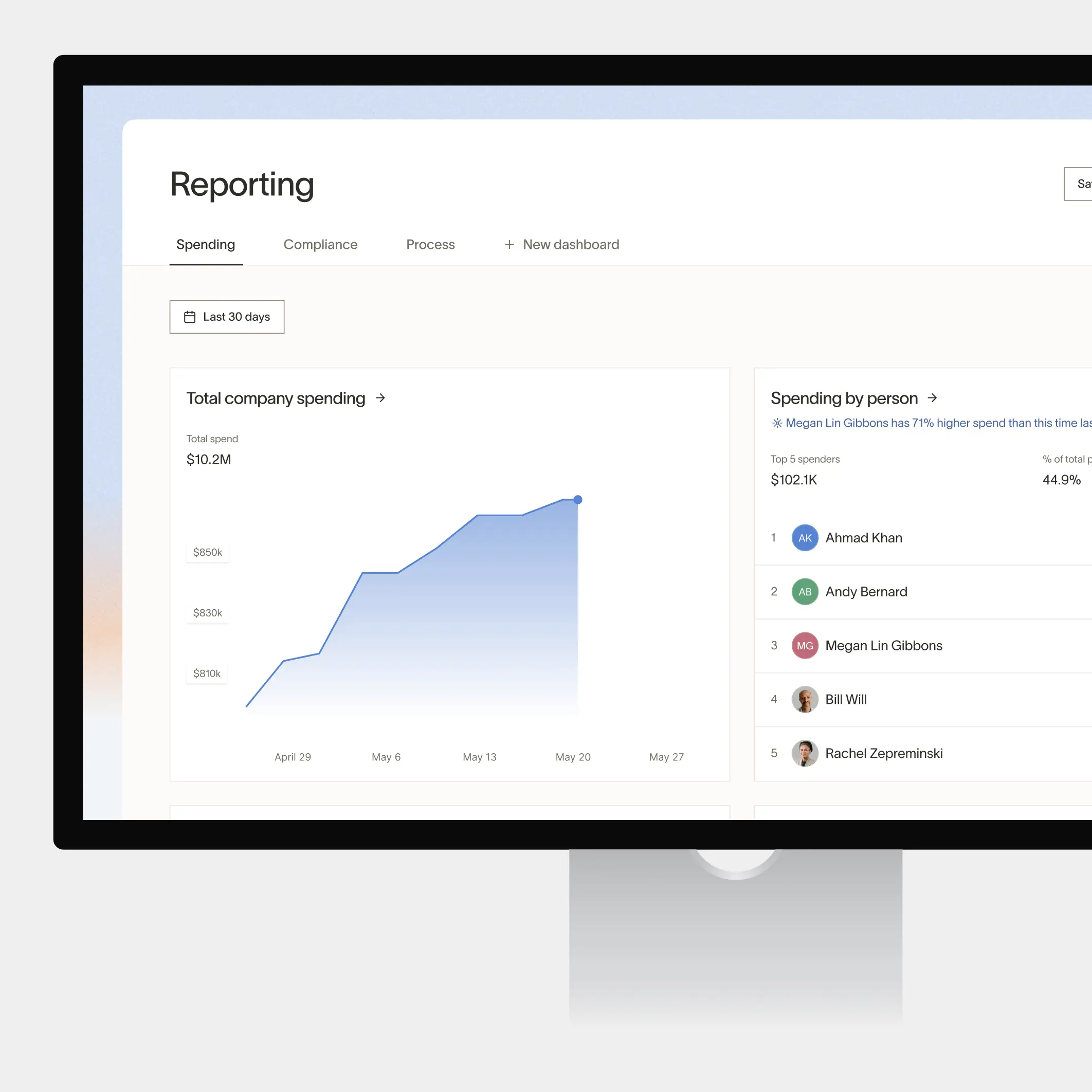
Ramp helps businesses spend less by giving visibility and control over expenses.
Key Features
- Corporate cards
- Automated expense tracking
- Vendor insights
- Cost-saving recommendations
Pros
- Excellent UX
- Saves real money
- Strong automation
Cons
- Mainly US-focused
👉 Best for: Fast-growing teams with heavy spend
Comparison Table: Best Business & Finance Tools 2026
| Tool | Best For | Category |
|---|---|---|
| QuickBooks | Accounting | SMB Finance |
| Stripe | Payments | Online Payments |
| Xero | Cloud Accounting | Global Businesses |
| FreshBooks | Invoicing | Freelancers |
| Wise | Global Transfers | International Finance |
| Gusto | Payroll | HR & Payroll |
| Zoho Books | Budget Accounting | SMB |
| Brex | Startup Spend | Corporate Finance |
| Chargebee | Subscriptions | SaaS Billing |
| Ramp | Expense Control | Spend Management |
Final Verdict
The best Business & Finance software in 2026 depends entirely on your business model:
- SaaS & subscriptions: Stripe + Chargebee
- Freelancers: FreshBooks + Wise
- SMBs: QuickBooks or Xero
- Startups: Brex + Ramp
Choosing the right stack can dramatically improve cash flow, compliance, and scalability.