The developer ecosystem in 2026 is more competitive, automated, and AI-assisted than ever before. From cloud-native development to AI-powered coding assistants, the right tools can dramatically improve productivity, code quality, and deployment speed.
Table of Contents
In this guide, we review the top 10 developer tools in 2026, focusing on real-world use cases, performance, scalability, and ROI. Whether you are a solo developer, startup, or enterprise team, this list will help you choose the best tools for modern software development.

Table of Contents
1. GitHub Copilot – Best AI Coding Assistant
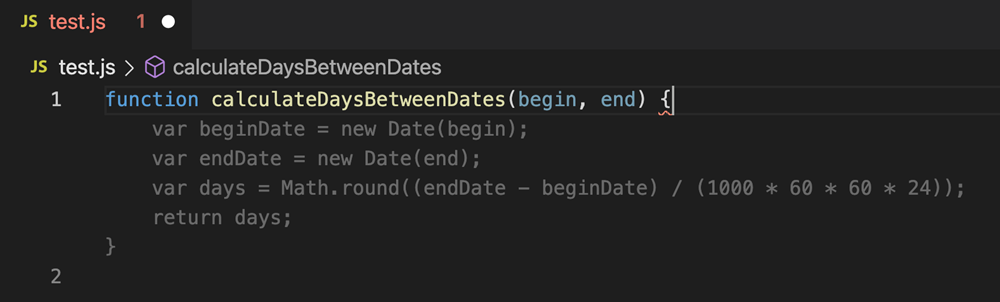
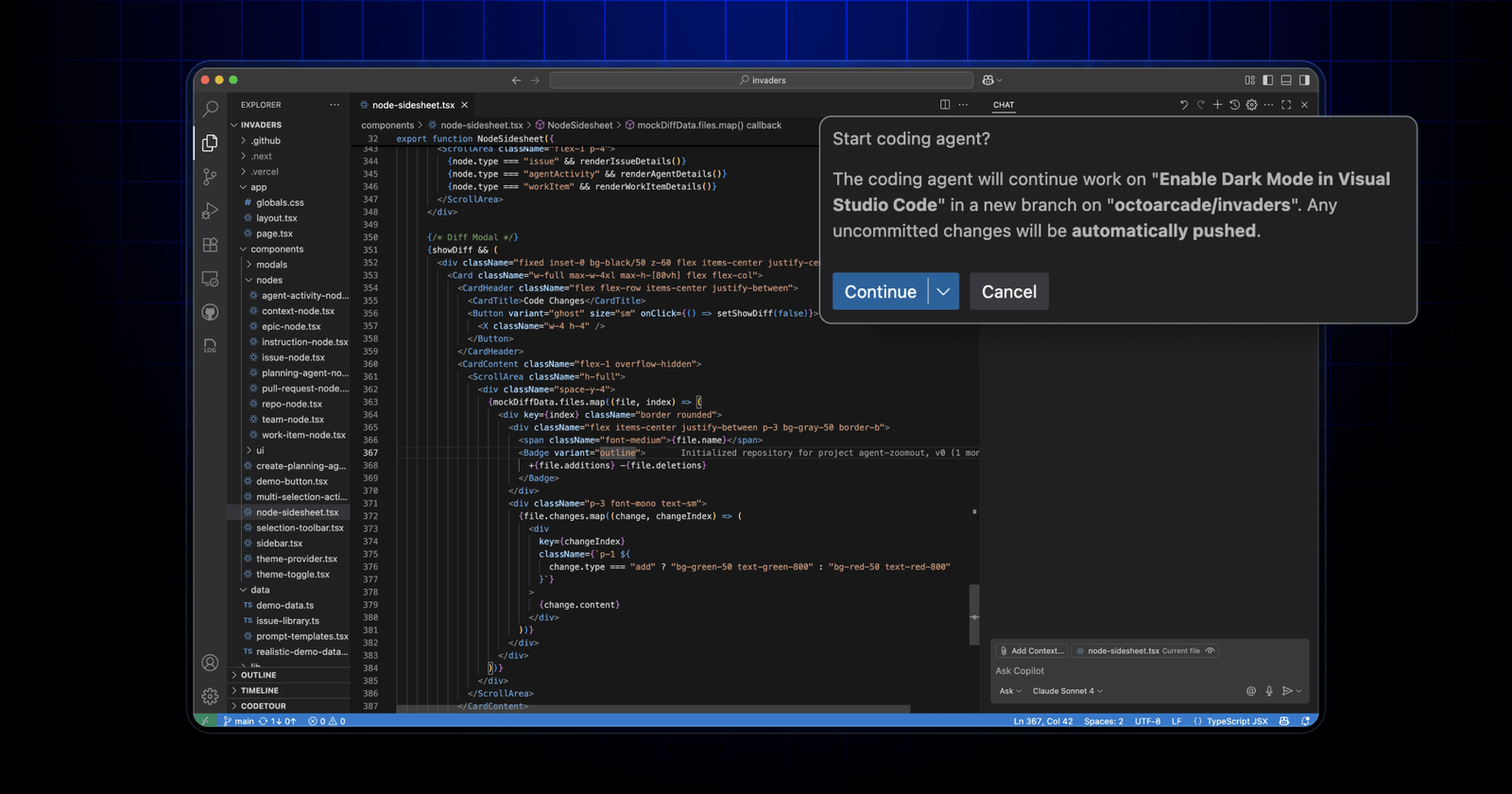
GitHub Copilot has become an essential AI pair-programmer for developers in 2026. Powered by advanced large language models, Copilot now understands project context, code style, and even architectural patterns.
Key Features
- AI code completion in real time
- Multi-language support (Python, JS, Go, C#, Java, Rust)
- Unit test & documentation generation
- Security-aware suggestions
Best For
- Solo developers
- Fast prototyping
- Reducing boilerplate code
Verdict: Copilot is no longer optional—it’s a productivity multiplier.
2. Visual Studio Code – Best Free Code Editor

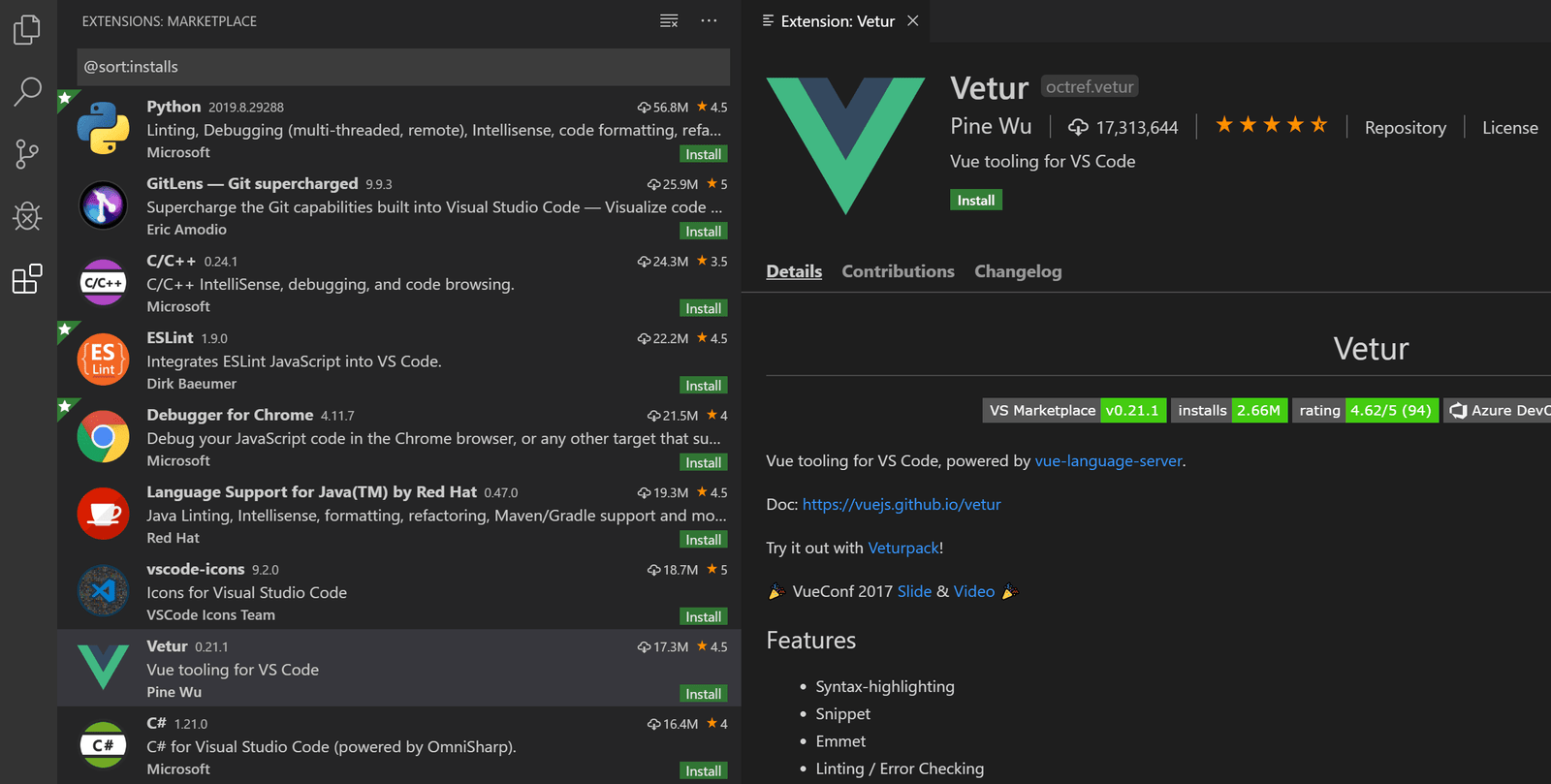
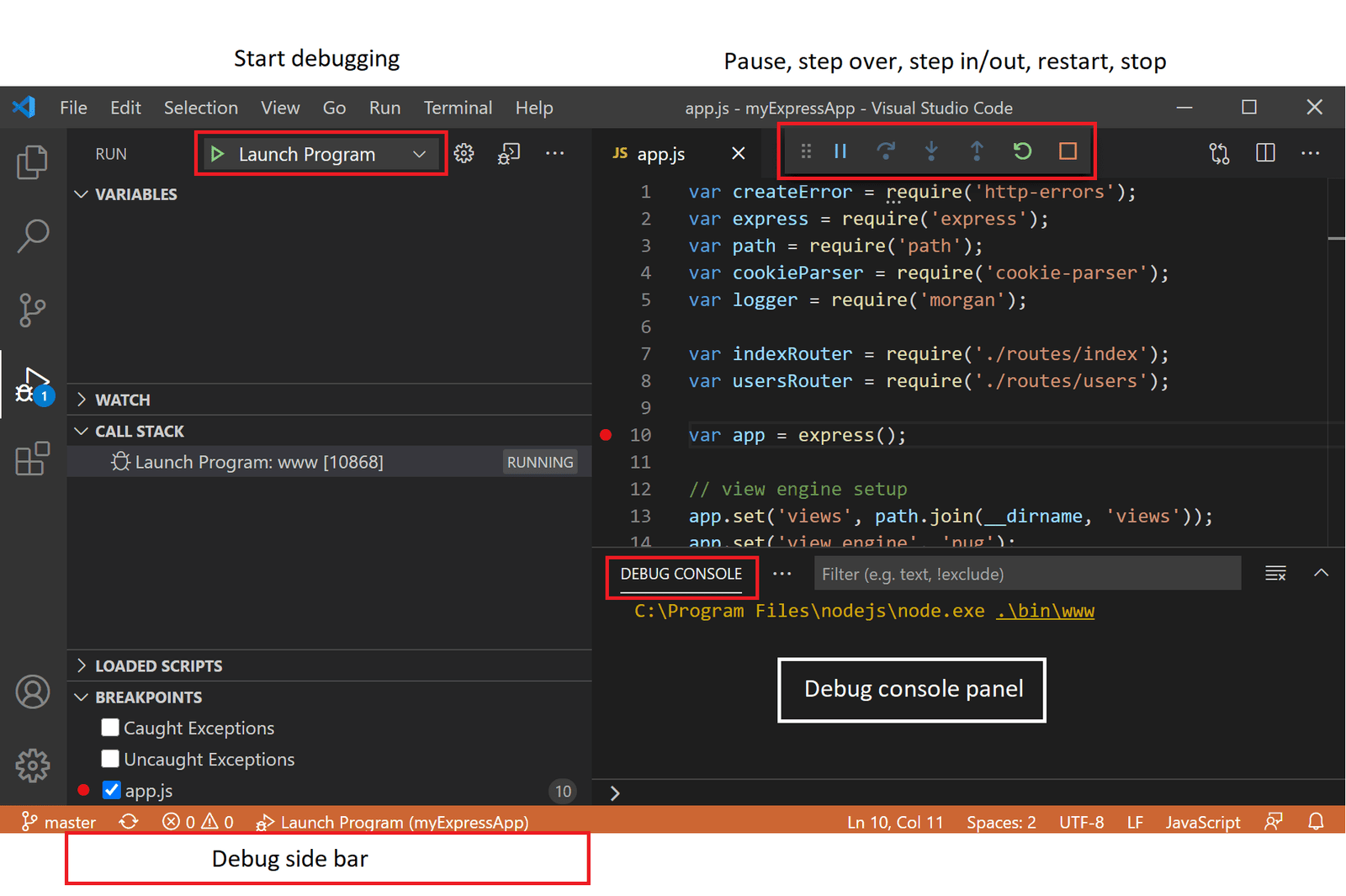
Microsoft Visual Studio Code remains the most popular code editor in the world thanks to its speed, extensibility, and massive ecosystem.
Key Features
- Thousands of extensions
- Built-in Git, debugging, and terminal
- Excellent remote & container support
- Deep Copilot integration
Best For
- Frontend & backend developers
- Open-source projects
- Cross-platform development
Verdict: VS Code is still the gold standard for modern coding.
3. Docker – Best Containerization Tool

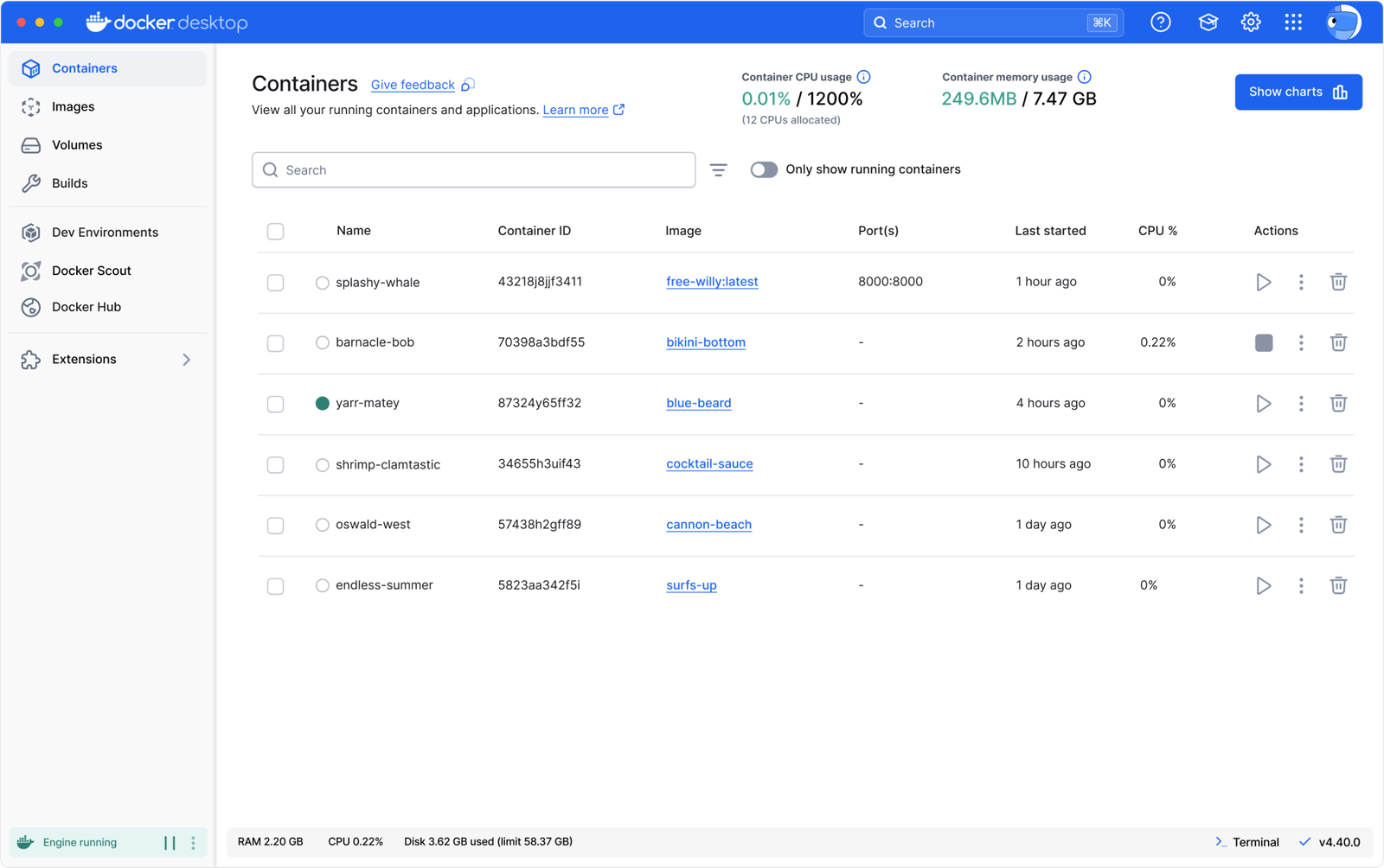
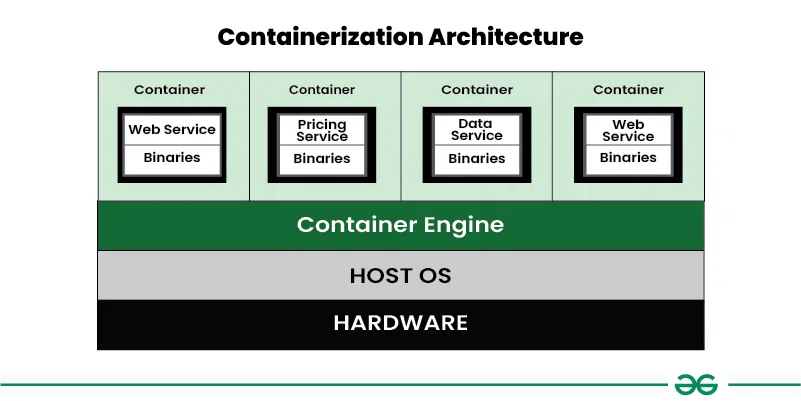
Docker revolutionized how applications are built and shipped. In 2026, Docker remains foundational for DevOps and cloud-native workflows.
Key Features
- Containerized development environments
- Docker Compose for local orchestration
- Massive public image registry
- Works everywhere
Best For
- Microservices
- Consistent dev/test environments
- CI/CD pipelines
Verdict: If you deploy software, you need Docker.
4. Kubernetes – Best Container Orchestration Platform

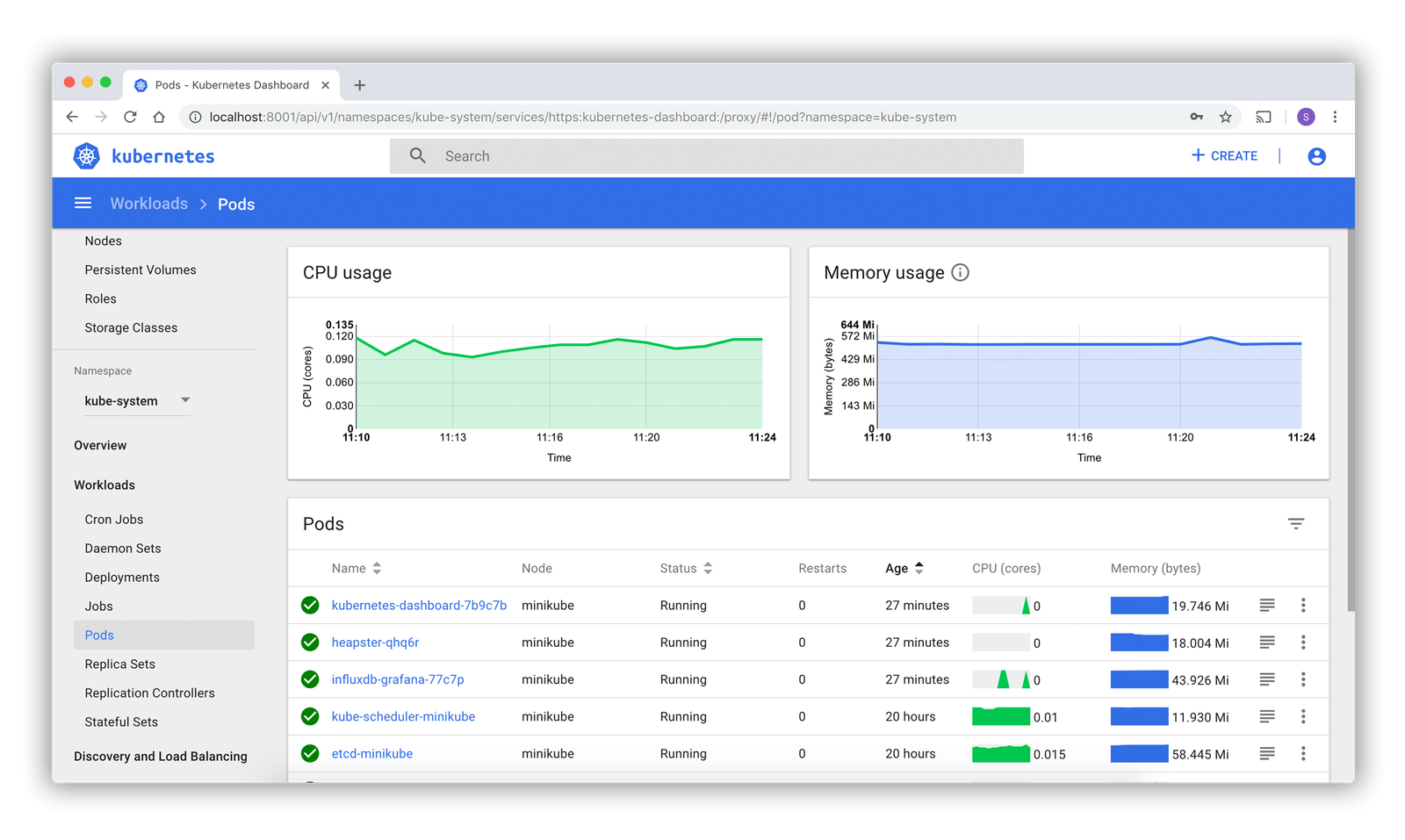
Kubernetes is the backbone of scalable cloud infrastructure in 2026.
Key Features
- Auto-scaling & self-healing
- Rolling deployments
- Cloud-agnostic design
- Massive ecosystem
Best For
- Large-scale applications
- Cloud-native teams
- Enterprise infrastructure
Verdict: Powerful, complex, but unmatched at scale.
5. Postman – Best API Development Tool

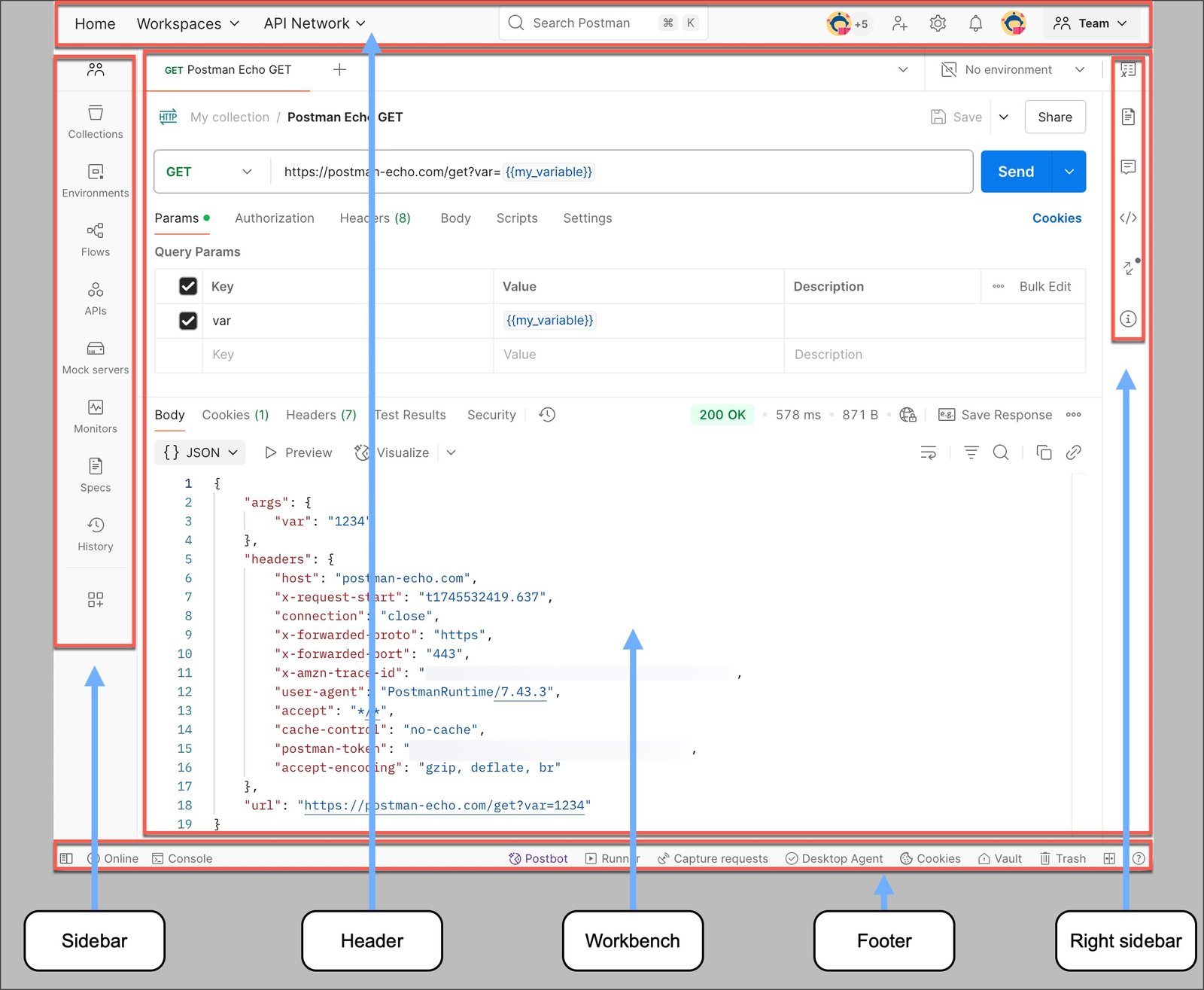
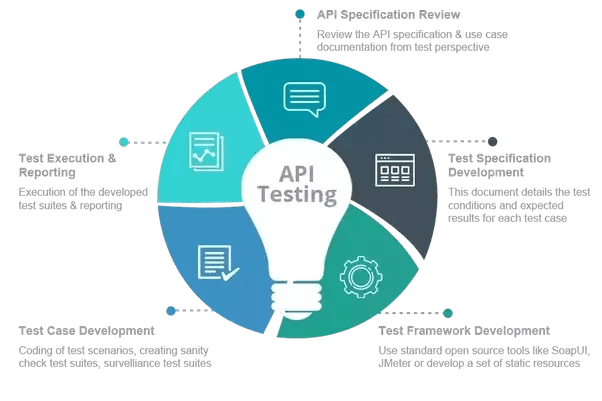
Postman is the industry standard for API testing, collaboration, and documentation.
Key Features
- REST, GraphQL, and WebSocket support
- Automated API testing
- Team collaboration
- Mock servers
Best For
- Backend developers
- API-first teams
- SaaS platforms
Verdict: APIs are everywhere—Postman makes them manageable.
6. JetBrains IntelliJ IDEA – Best IDE for Java & JVM

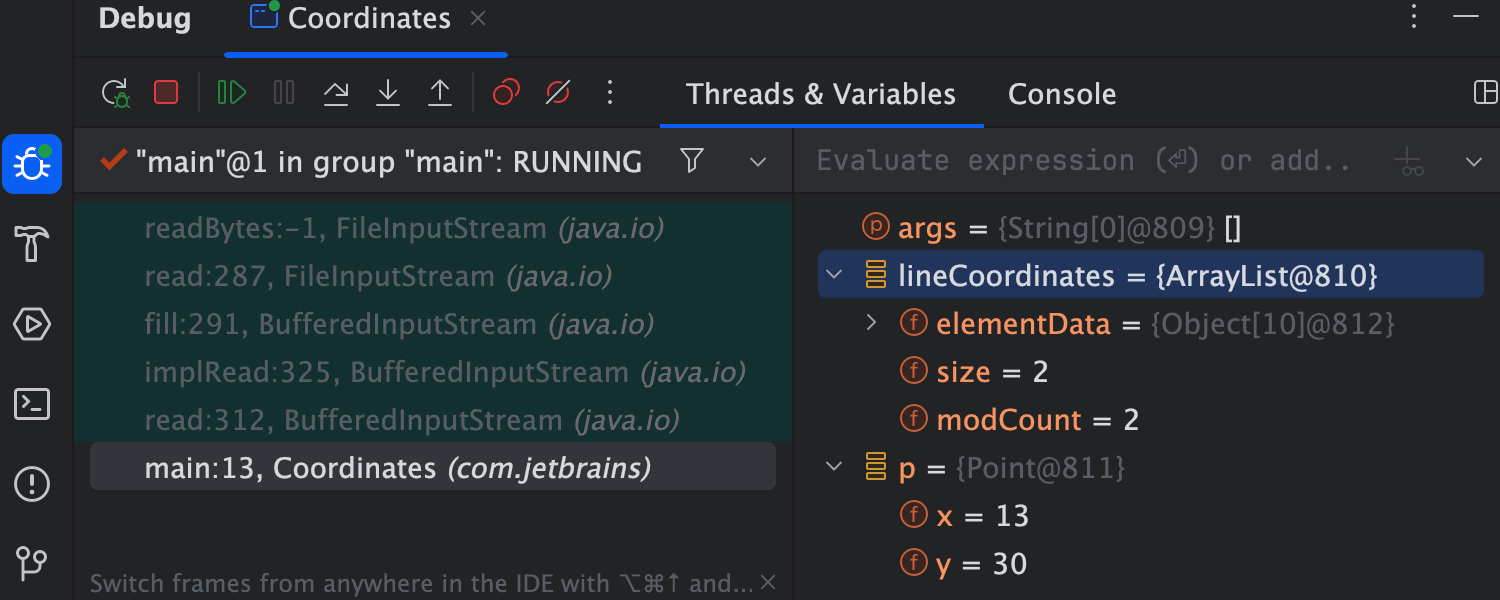

JetBrains IntelliJ IDEA offers unmatched code intelligence for JVM languages.
Key Features
- Smart refactoring
- Deep framework support (Spring, Kotlin)
- Advanced debugging & profiling
- Built-in database tools
Best For
- Java & Kotlin developers
- Enterprise applications
Verdict: Expensive, but worth every dollar for JVM teams.
7. AWS Cloud Development Kit (CDK) – Best Infrastructure as Code Tool


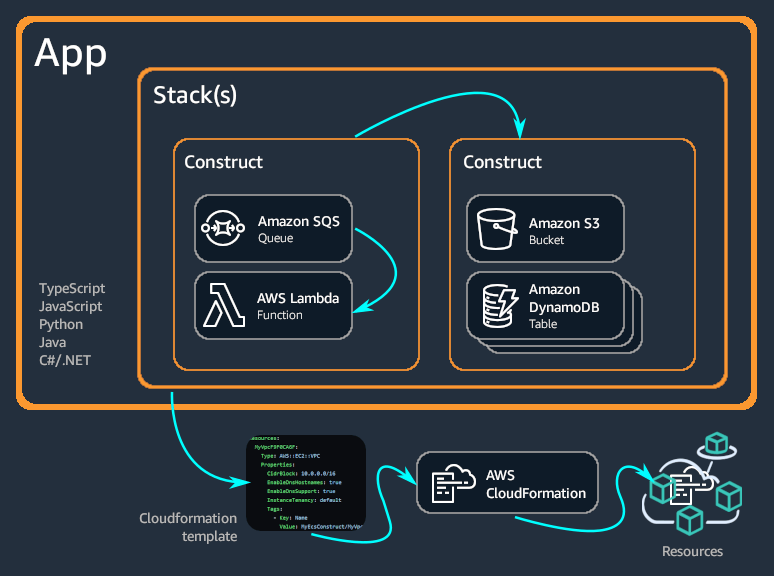
Amazon Web Services CDK allows developers to define cloud infrastructure using familiar programming languages.
Key Features
- Infrastructure as real code
- Reusable constructs
- Native AWS integration
- Strong type safety
Best For
- AWS-based teams
- DevOps engineers
- Scalable cloud systems
Verdict: CDK bridges the gap between developers and infrastructure.
8. Vercel – Best Frontend Deployment Platform
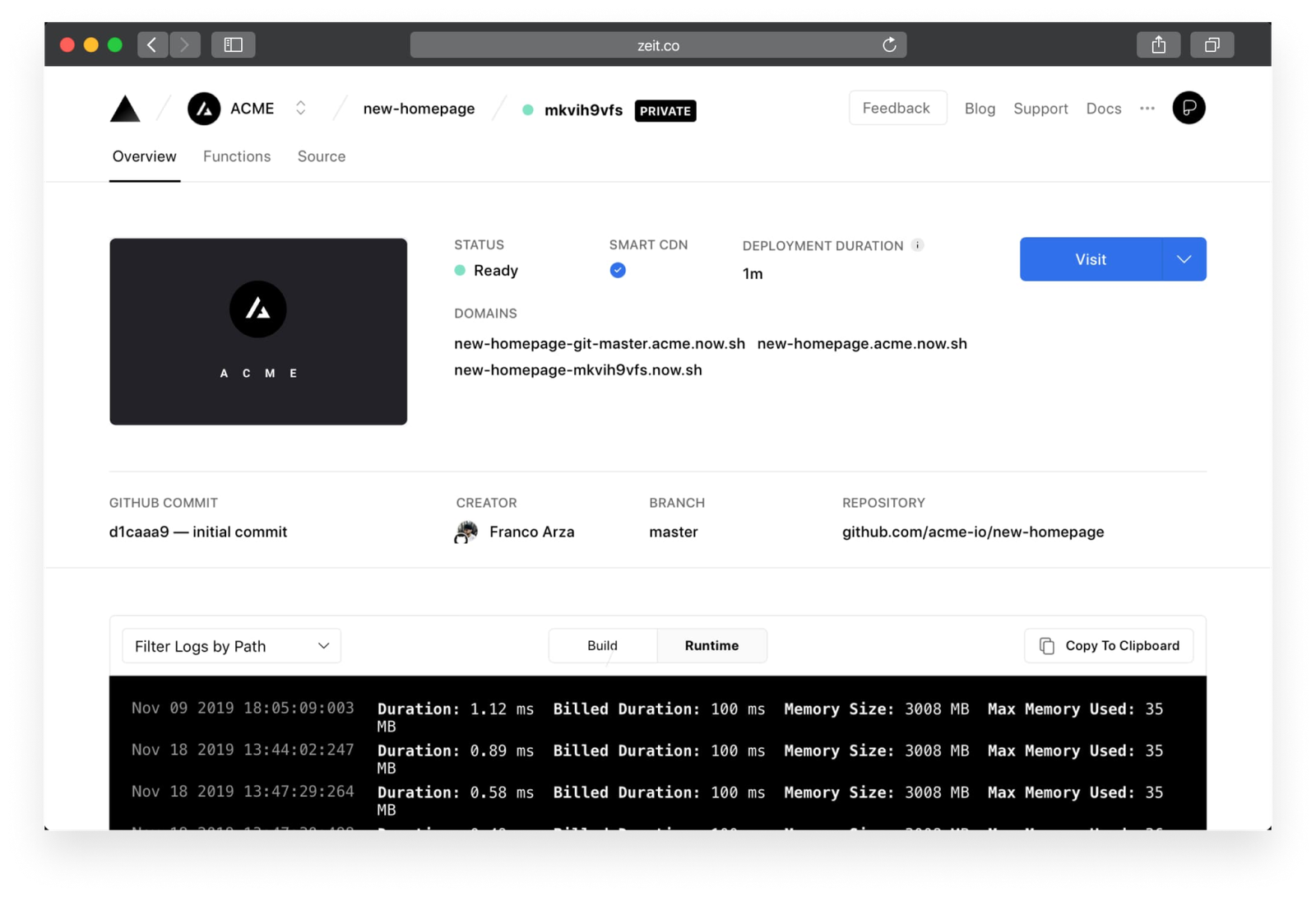

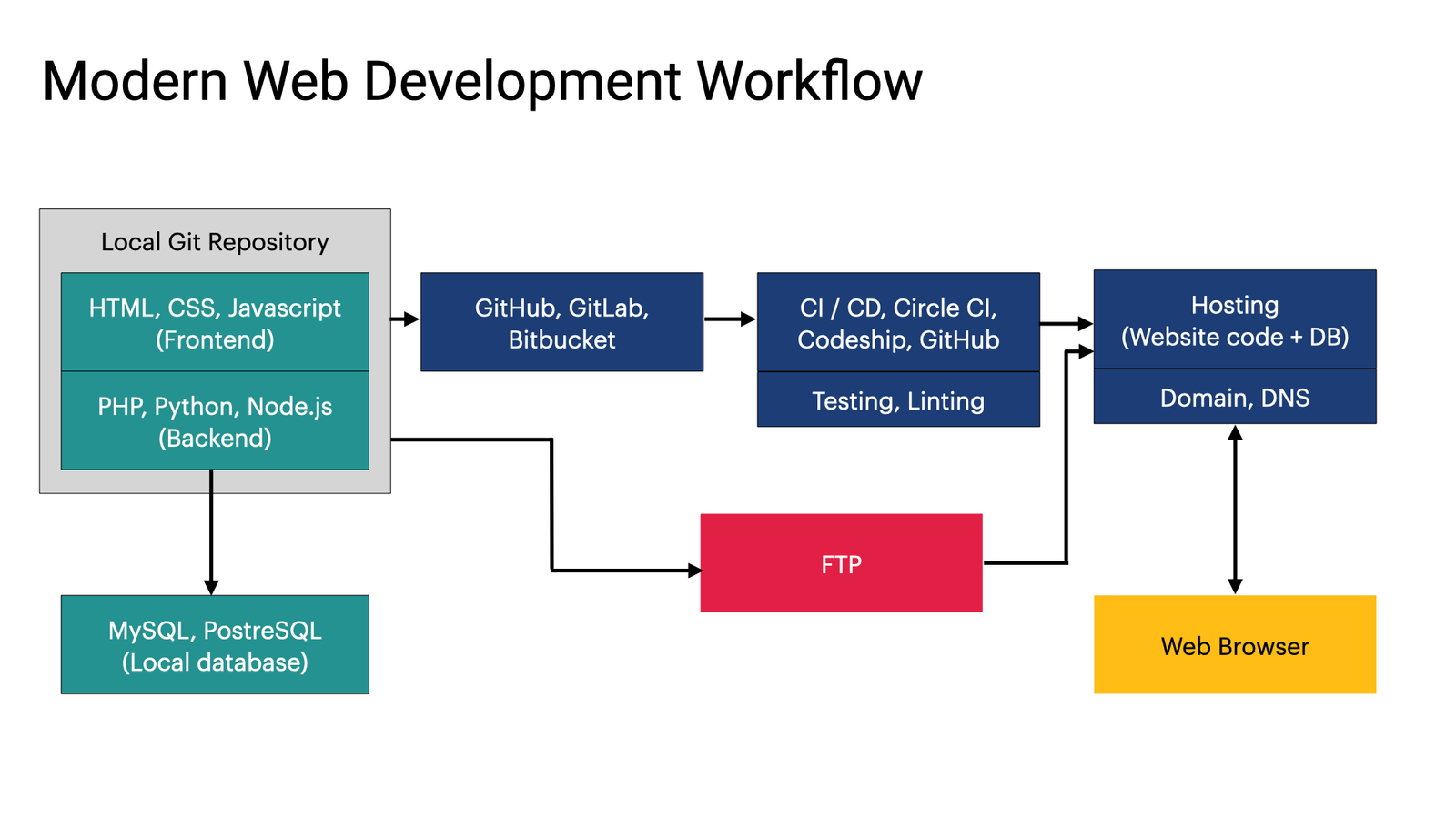
Vercel is the go-to platform for modern frontend deployment in 2026.
Key Features
- Instant global deployments
- Edge functions
- Seamless Next.js support
- Preview environments
Best For
- Frontend developers
- Jamstack & SaaS apps
Verdict: If you build frontend apps, Vercel is unbeatable.
9. Sentry – Best Error Monitoring Tool
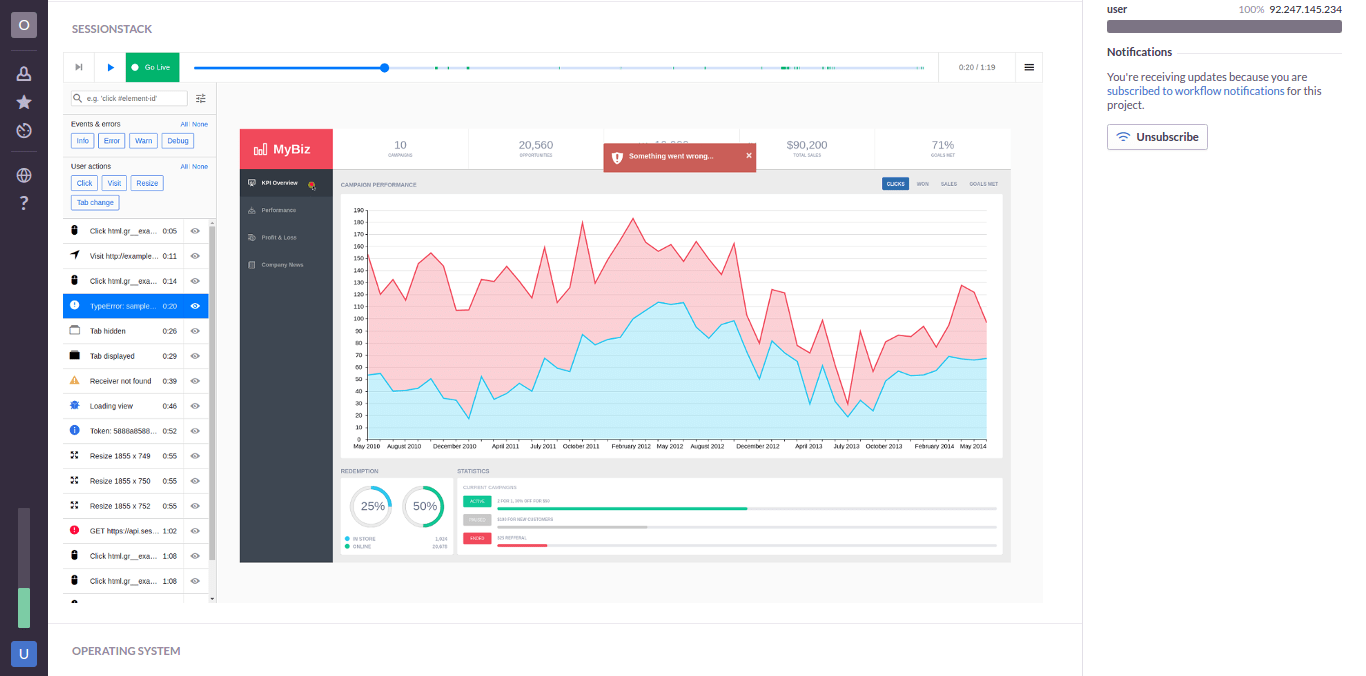
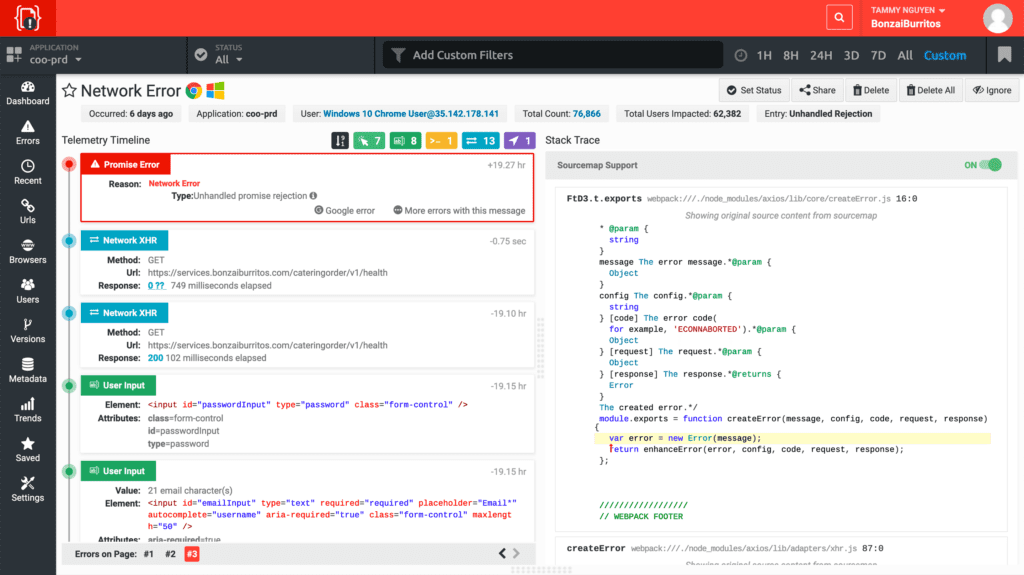

Sentry helps developers detect, diagnose, and fix production issues fast.
Key Features
- Real-time error tracking
- Performance monitoring
- Stack trace insights
- Alerts & integrations
Best For
- Production applications
- SaaS products
- Mobile & web apps
Verdict: You can’t fix what you can’t see—Sentry shows everything.
10. n8n – Best Workflow Automation Tool for Developers

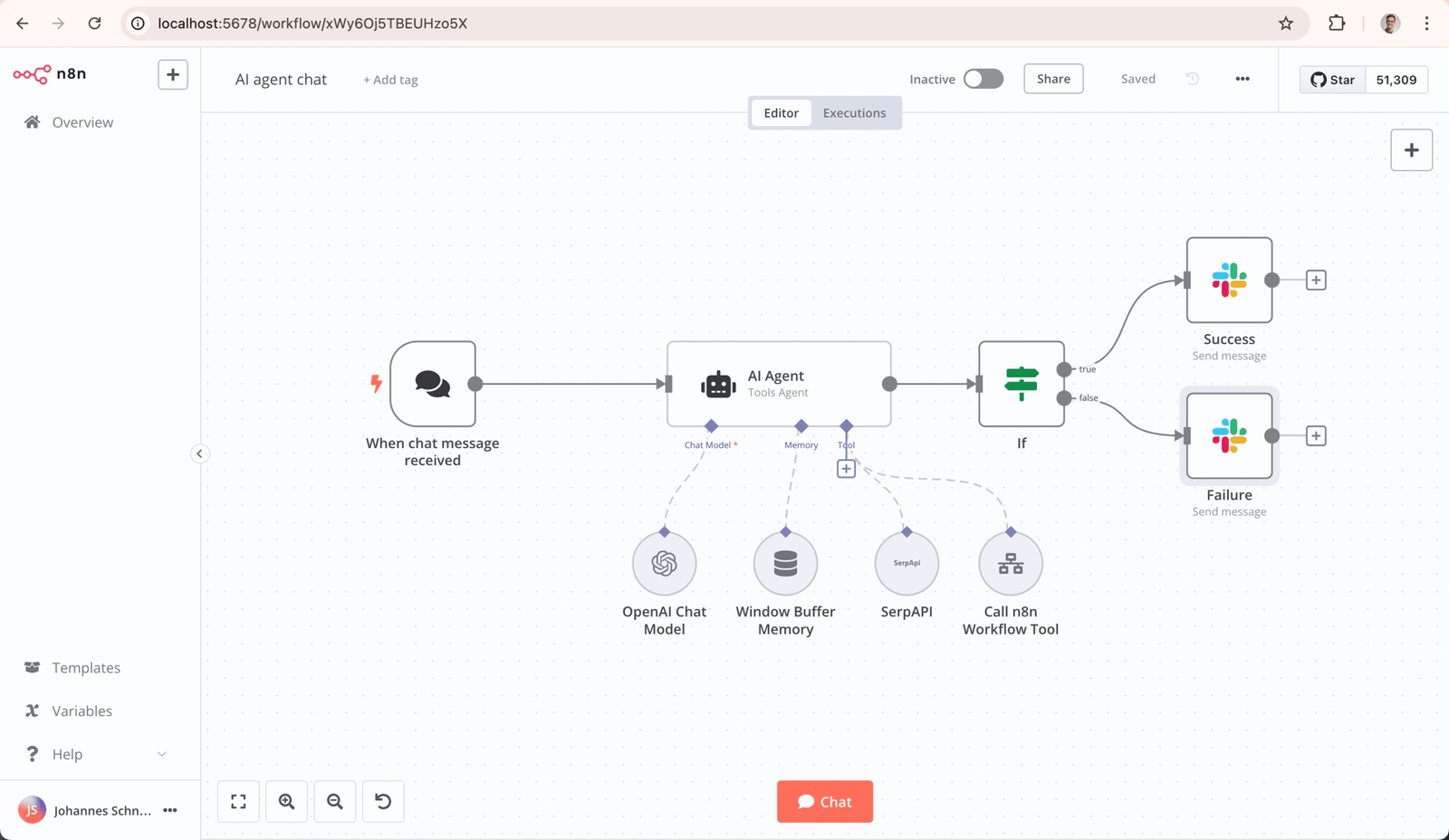
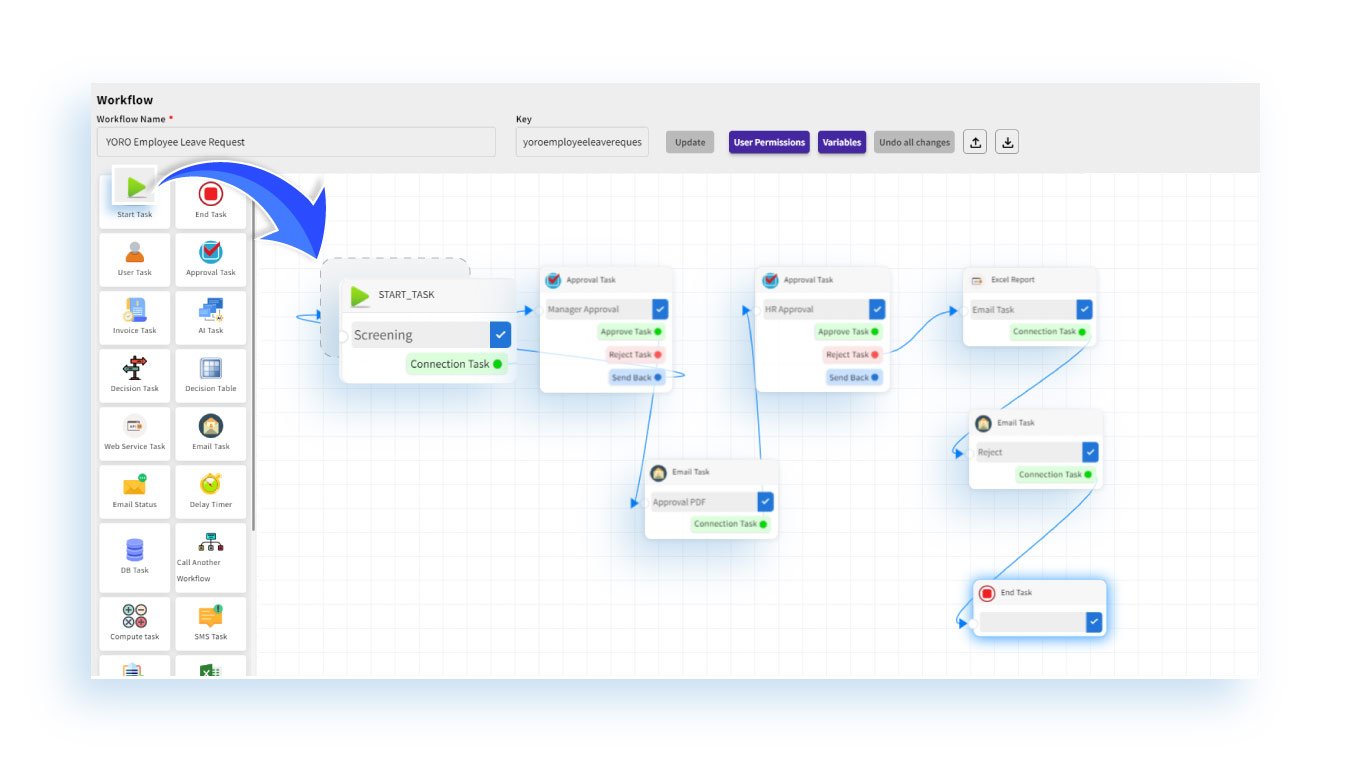
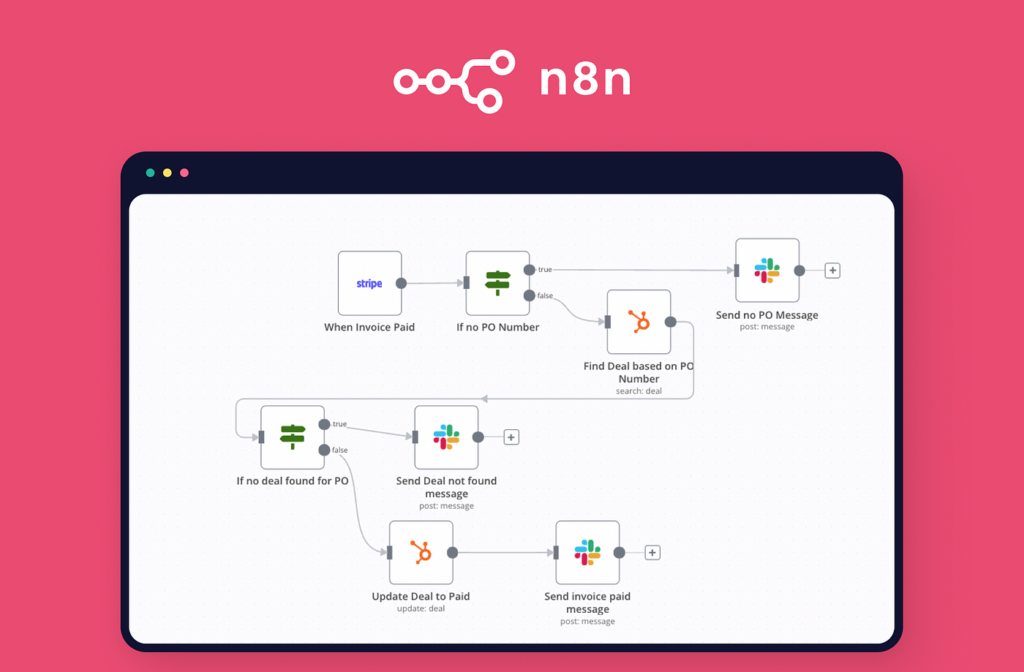
n8n is an open-source automation platform loved by developers who want full control.
Key Features
- Visual workflow builder
- Self-hosted or cloud
- API & webhook automation
- Code-friendly custom nodes
Best For
- Backend automation
- Internal tooling
- AI & data workflows
Verdict: Flexible, powerful, and developer-first.
How to Choose the Right Developer Tools in 2026
When evaluating developer tools, consider:
- Team size & skill level
- Scalability requirements
- Integration with your stack
- Automation & AI capabilities
- Total cost of ownership
Avoid hype—focus on tools that save time, reduce errors, and scale with your product.
Final Verdict: Best Developer Tools 2026
In 2026, the best developer stacks combine AI assistance, cloud scalability, and automation. Tools like GitHub Copilot, Docker, Kubernetes, and n8n are no longer optional—they are competitive advantages.
If you’re building modern software, investing in the right tools today will define your velocity tomorrow.